
Here's the Gist
As the author of this guide, I broke down the key distinctions between belt and chain drive exercise bikes to help you choose the right fit. Your decision ultimately hinges on your preferences regarding maintenance, noise levels, cost, and overall riding feel.
- Belt drives provide a virtually silent workout, while chain drives generate a distinct sound as the metal chain moves across the wheel sprockets.
- Chain drives require frequent lubrication and tightening but are easily repaired, whereas belts need minimal routine care over years of normal use.
- Replacing a worn or misaligned belt is an affordable part purchase, though it is complicated and often requires hiring a technician.
- Belt-driven bikes typically cost more to purchase, while chain drives remain more cost-effective for heavy, fitness-facility levels of daily usage.
- Chain drives authentically recreate the physical sensation of an outdoor bicycle, making them a preferred choice for experienced and mountain cyclists.
There are many factors to consider when deciding which exercise bike is right for you. Your wish list might include features such as: desired flywheel weight and positioning, type of resistance system, Bluetooth capabilities, and price.
Another critical factor to consider is if you prefer a belt or a chain drive. In the past, chain drive systems were the standard drive system for any indoor cycling bike. As the technology has continued to change in indoor cycling bike design, the belt drive system is becoming more prevalent among newer models. Although the purpose of the two drive systems might be the same, they are very different.
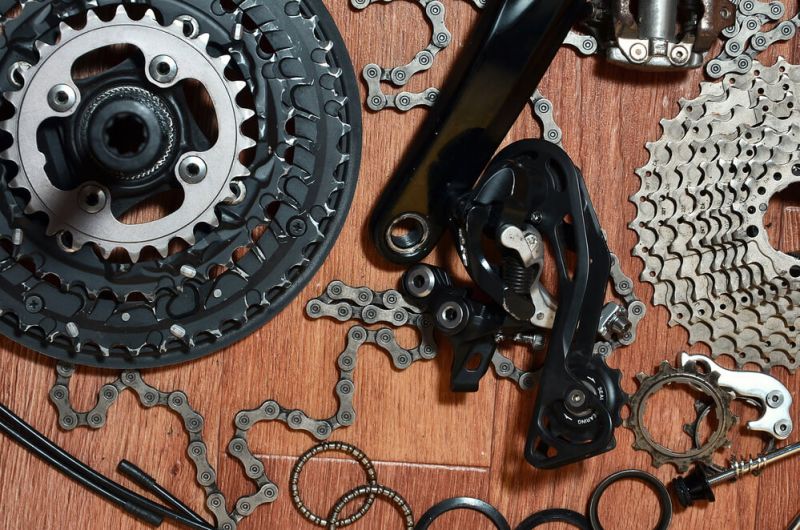
Key Differences of a Belt and Chain Drive
The drive system of a bike is one of the essential bike mechanisms. Without a drive system, the workout would not be possible. The purpose of the belt or chain drive is to connect the pedals to the flywheel, creating the addicting movement that a quality exercise bike provides. Each drive system delivers a smooth and quiet ride, but the designs themselves include many differences. Below you can view a summary of each drive’s fundamental differences that we will focus on in greater detail.
| Belt Drive | Chain Drive | |
|---|---|---|
| Requires Maintenance | ✔️ | ✔️ |
| Drive is Repairable without a New Part | ✔️ | |
| Technician Often Needed for Replacement | ✔️ | |
| More Expensive | ✔️ | |
| Quieter | ✔️ | |
| Superior Performance | ✔️ | ✔️ |
| Mimics an Outdoor Bike | ✔️ |
What is a Belt Drive, and How Does it Work?
Belt drives are becoming increasingly popular with indoor cycling manufacturers because they offer a smooth and almost silent experience. This system is remarkably similar to the belt drives found in cars and motorcycles. They offer exercise bike owners durability and efficiency.
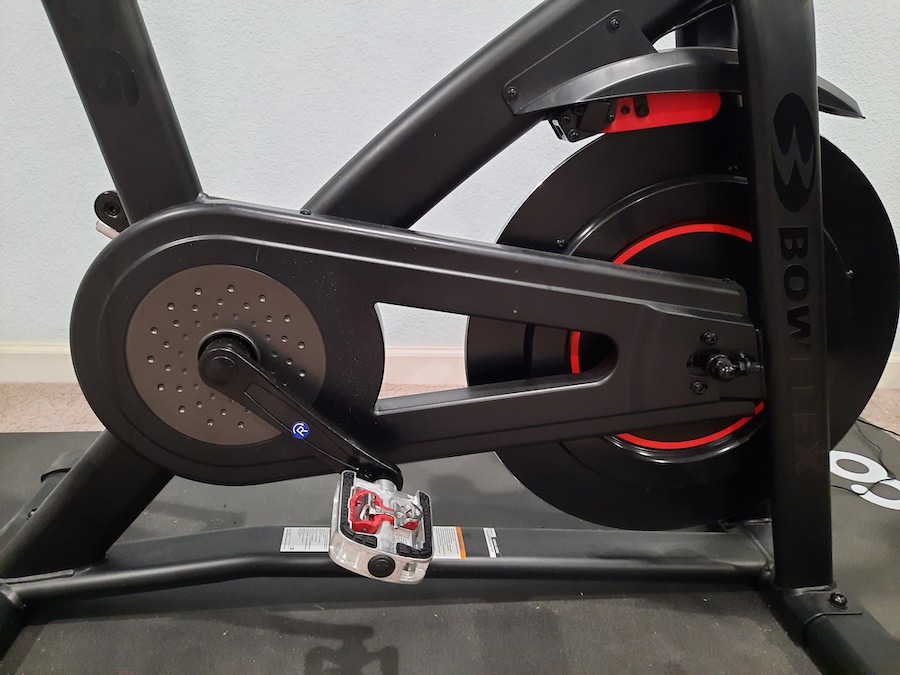
The belt drive consists of a toothed synchronous rubber belt usually made from either carbon fiber or polyurethane. The “teeth” of the belt fit nicely into the flywheel and pedal system, which allows the flywheel and pedals to operate harmoniously together. As the pedals turn, the high-tension strap enables the flywheel to turn as well.
As long as the belt continues to have high-tension, the rider will feel a smooth ride. If the belt begins to lose tension, replacement belts are affordably priced. This new drive system technology is starting to dominate indoor cycling bike design and shows no sign of slowing down.
What is a Chain Drive, and How Does it Work?
Mountain bikes and other outdoor bikes are equipped with chain drives. They are known for the distinct sound while being ridden and the type of quality ride they produce. A chain drive system has been the industry standard for indoor cycling bikes until recently and can be found most often on those cycles that include a front flywheel.
The chain itself is made of metal pieces or links. The links’ mobility allows the chain to rotate over the wheel sprockets when the pedals are turned. The rotating chain begins to power the flywheel. A chain drive often consists of only one gear level, making it typical for this type of system to include a friction resistance system. The chains require a little ongoing maintenance but are incredibly easy to fix if they loosen, fall off, or need to be replaced. A chain drive system is a fan favorite for veteran cyclists and mountain bikers.
A Detailed Comparison of Belt and Chain Drives
A commercial-grade indoor cycling bike that includes either a belt or chain drive creates an excellent riding experience. Chain and belt drives each have advantages and disadvantages. We will take an in-depth look at how the models compare to help you make an informed buying decision.
Maintenance
Maintenance expenses can be one of the most frustrating components of owning any machine. May it be a car or a great exercise bike, it is expected that some amount of maintenance will be needed. Although care is inevitable, the amount you might expect can be predicted based on which drive model you select. One of the most significant differences between belt and chain drive systems is the type of maintenance expected over time.
Chain drives can require more ongoing maintenance. Since the chain is made of metal, it will need to be kept well lubricated and tightened at times. They can easily be fixed. The belt on the belt drive should not need to be replaced until after years of usage. Unfortunately, if the belt is not installed correctly during the bike’s initial set-up, they wear out faster and require maintenance quicker. The amount of usage will also determine the timeline on when the belt needs to be replaced. Changing the belt is more complicated than merely tightening the chain as in the chain drive option, and perhaps a technician will need to be called, which is an additional expense. However, the cost of the replacement belt itself is extremely affordable.
If you are purchasing a bike just for you or for a couple of users in your household, either option would be a viable choice. If the usage amount will be similar to that found at a fitness facility, then a chain drive would be less expensive for you in the long run.
Price
When looking to purchase a spin bike, price is usually one of the most significant deciding factors that impact your purchasing decision. The type of drive plays a role in how much the exercise bike costs. Due to the higher manufacturing costs and being a newer feature, belt-driven models are usually more expensive. If selecting an indoor cycling bike based mostly on price, it is essential to consider all the features the bike offers in addition to the drive system. Affordable cycles are available with either drive system.
Sound
A quiet ride is available with either drive option. However, the belt drive is virtually silent due to the design. The slightly louder sound from a chain-driven bike is that of the chain passing over the bike’s sprockets. Many manufacturers include a chain guard in their design. This guard mutes the rotating chain sound and provides a quieter ride than a model that does not have this feature. If you plan to ride while everyone in your house is asleep, then a belt-driven model might be a better solution.
Performance & Sensation
It is important to note that if selecting a commercial-grade indoor cycling bike, either a chain or a belt drive option will provide exceptional performance. The most considerable difference between these two models is the sensation that is experienced when riding. Veteran cyclists often prefer a chain drive because it mimics what a rider would experience while riding their outdoor bike. A belt-driven design does feel different because of how the belt spins. The feeling of a chain-driven system is more authentic and appeals to a wider variety of riders.
Bottomline
If you are purchasing a commercial-grade spin or exercise bike, both drive systems will provide a superior experience than lower-quality bike options. Deciding which drive system would be best for you depends on your needs and which design can best fulfill them. We recommend test riding bikes that include each drive system before making a purchase; this will help ensure you will be happy with your buying decision.
Quick Answers
Is a belt drive exercise bike quieter than a chain drive?
Yes. While both drive systems deliver a quiet ride, a belt drive is virtually silent. A chain drive produces a slightly louder sound as the metal chain passes over the sprockets, though many manufacturers include a chain guard to help mute that noise.
Which requires more maintenance, a belt or chain drive?
A chain drive requires more ongoing maintenance because the metal links need lubrication and occasional tightening. Belt drives should not need replacement for years of normal use, but changing a worn belt is more complicated and often requires calling a technician.
Why do some cyclists prefer a chain drive exercise bike?
Veteran cyclists and mountain bikers often prefer a chain drive because it mimics the sensation of riding an outdoor bike. A belt-driven design feels different because of how the belt spins, whereas a chain drive provides an authentic road feel that appeals to many riders.
Are belt drive exercise bikes more expensive?
Yes, belt-driven models are usually more expensive due to higher manufacturing costs and newer technology. However, affordable bikes are available with either drive system, and replacement belts themselves are affordably priced if one ever needs to be replaced.
Which drive system is better for heavy household or gym usage?
If usage will be similar to a fitness facility or shared heavily, a chain drive is less expensive in the long run. Chains are easily fixed and adjusted without buying new parts, whereas replacing a belt is more complicated and may require an added technician fee.
