
Here's the Gist
I am the author here at Indoor Cycling Love, where I regularly answer rider questions and share advice on getting the most out of your bike. In this guide, I highlight the most common mistakes people make when indoor cycling and how you can easily avoid them.
- Spend a few minutes warming up and cooling down every ride to prevent injury, without worrying about your average power or cadence stats.
- Take 10 minutes to dial in your bike setup correctly to avoid pain, miserable sessions, and unnecessarily long recovery times.
- Keep your pedal strokes smooth and flowing instead of stabbing into the pedals, adjusting your resistance and setup as needed.
- Challenge yourself by digging deep and keeping your heart rate up; if you can easily chat, you may not be working hard enough.
- Avoid overtraining by taking a couple of rest days each week so you do not halt your progress or burn out.
- Vary your sessions by trying different class profiles and instructors to keep your training fun and prevent boredom.
Indoor cycling is a huge amount of fun, and done right, it can be a life-changing form of exercise for many. I am often asked a lot of questions about indoor cycling here at Indoor Cycling Love, and I appreciate the comments and love to hear your thoughts. A lot of the questions come from people making common mistakes.
I thought the website would really benefit from an article on the most common mistakes I hear about people making when it comes to indoor cycling. In this article, I will explain everything you need to know.
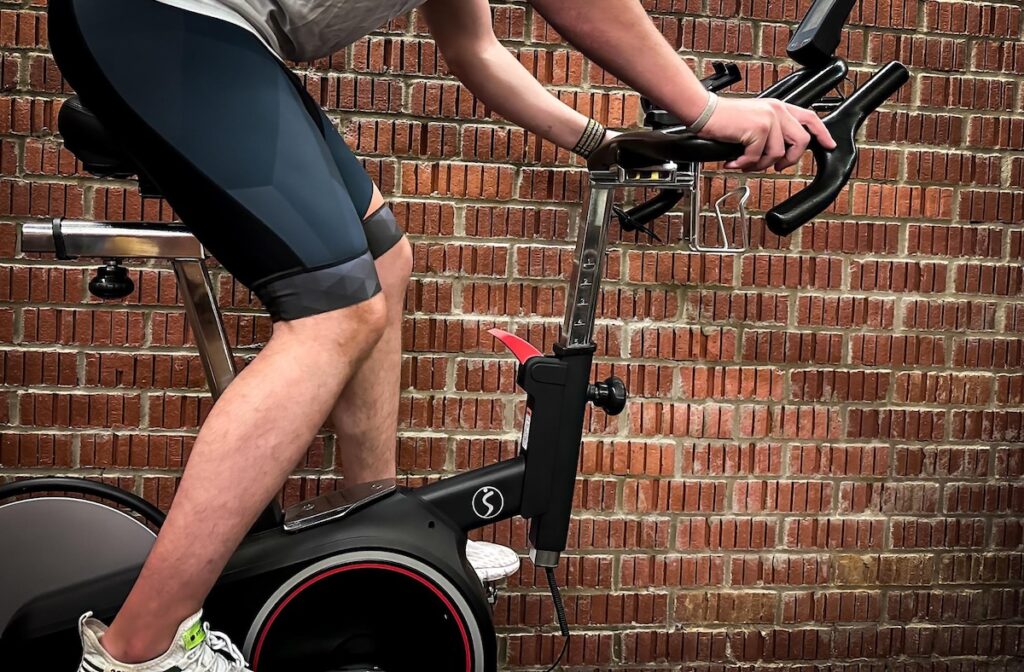
Skipping The Warm Up And Cool Down
This is the easiest mistake to make, and I see it all the time. The warm-up and the cool-down are so important to a workout, getting your muscles ready and relaxing them afterward. It’s important not to neglect these, or you will just get injured and have a bad time.
You only need a few minutes at the start and the end to gain huge benefits. Just because it affects your average cadence and power overall is not a good enough reason to neglect it, especially for Peloton users on leaderboards.
Set Your Bike Up Correctly
Next is setting your bike up correctly. If not done properly, it’s a one-way ticket to injuries, having a miserable time in your workouts, and longer recoveries than you probably need. It only takes 10 minutes and the settings can be left where they are.
If you are unsure how to set up your bike correctly, I have a fantastic video on the Indoor Cycling Love YouTube channel and an article, too. Follow the steps, and you will feel like you’re on a brand new bike.
Poor Pedaling Technique
When it comes to cycling indoors, after a certain amount of time, it should feel very natural. The pedal rotation should be smooth, and everything should have a nice flow. If you find you are stabbing into the pedals and standing is tough, you might have poor pedaling technique.
If this sounds like you, you might want to try changing your bike’s setup, focus on smoother technique with correct resistance, and consider going to a local spin class to see others riding.
Not Working Hard Enough
It’s very easy to fall into the trap of jumping on the bike and not giving it your all. The more you enjoy riding and the more comfortable you get, the easier it is to go easy on yourself and not challenge yourself enough.
It’s really good to make sure that you are digging deep, working hard, and keeping your heart rate high enough to benefit from the workout. As many spin instructors say, “If you have the ability to chat when indoor cycling, are you working hard enough?”
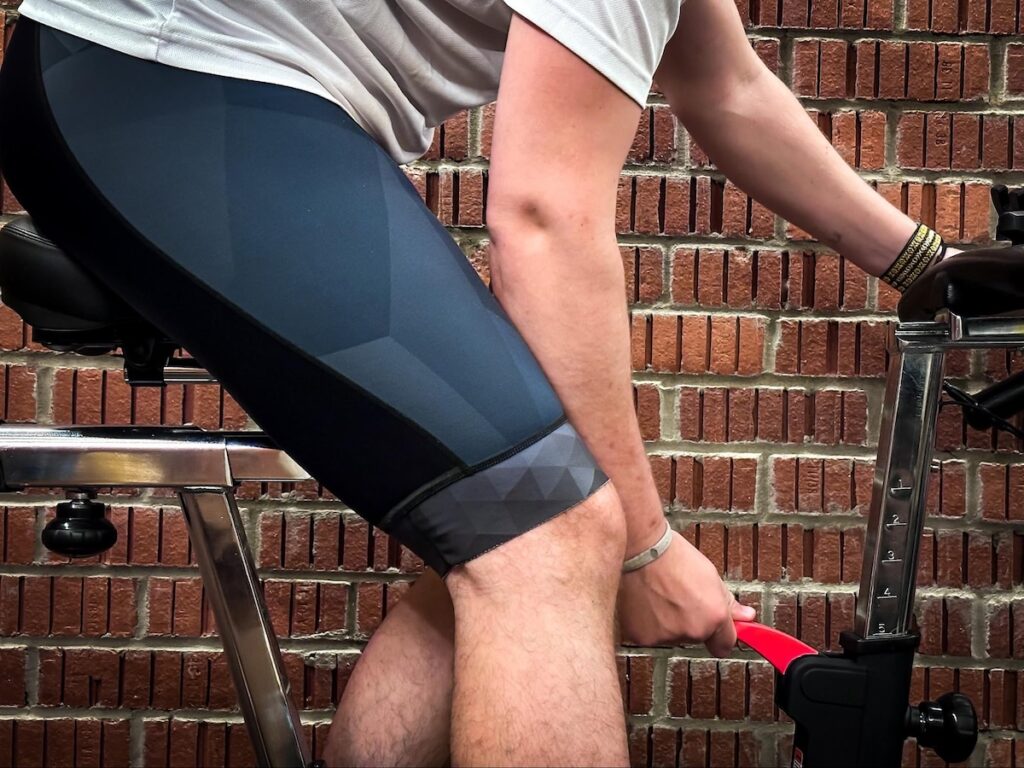
Not Understanding Cadence And Resistance
Cadence is the number of rotations your feet go through in the pedal stroke in a minute. This is called RPM, revolutions per minute. Knowing how to use RPM in your training is so valuable to becoming the indoor cyclist you want to be.
Resistance is how hard it is to pedal when you are riding. The higher the resistance, the more you can challenge your legs and generate more power. Knowing how much to have on the bike can help your training again.
Overtraining
When you get a bike at home and start to love indoor cycling, it’s easy to fall into the trap of going on it every day and hitting the pedals as hard as possible. It’s good to understand that this isn’t always the best way to go.
Overtraining can make riding uncomfortable, stop your progress very quickly, and get boring if you do not mix it up with enough variety. I highly recommend taking a couple of rest days a week. You can also read our article on how often should you spin per week for the best results.
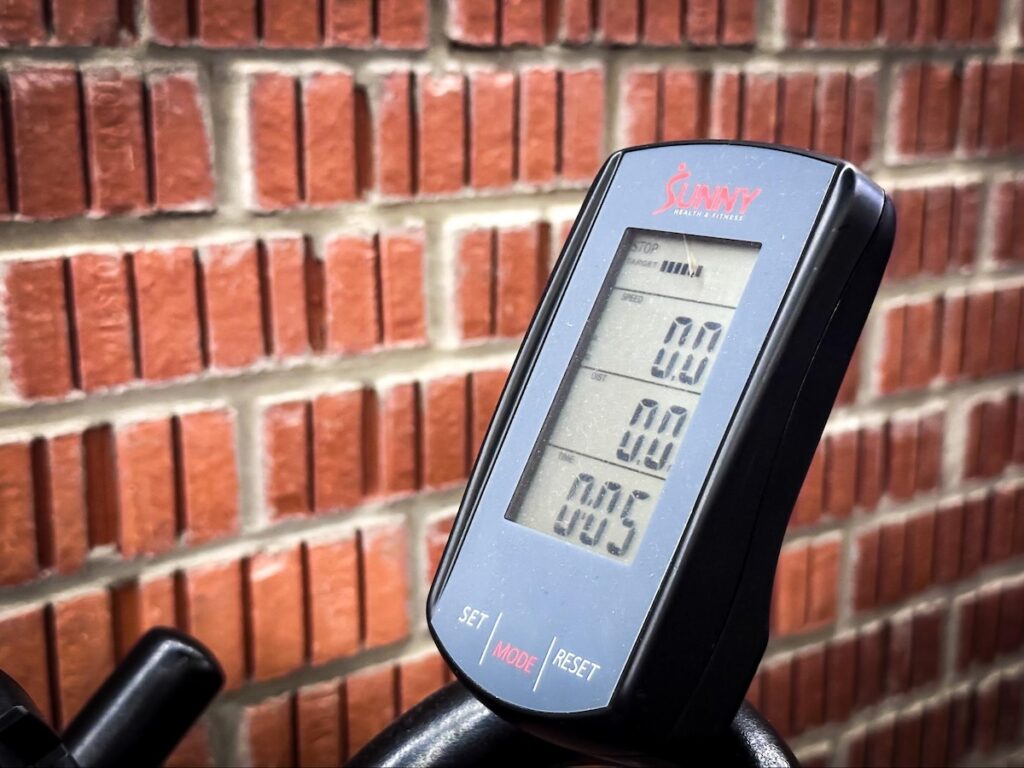
Not Enough Variety
I have made this mistake many times before, and it’s really easy to do. I am quite boring and just love endurance two-hour sessions or one-hour high-power sessions. I went through a stage of doing a lot of these.
They very quickly got boring, and I found myself losing motivation to train as much. Now, I always try to mix my workouts up and enjoy riding different class profiles and different instructors if I’m on an application.
A Final Note: Indoor Cycling Common Mistakes
It’s easy to fall into the trap of making these common mistakes, and there’s nothing wrong with that. I highly recommend avoiding making these mistakes in the future, and now that you know about them, there’s much less chance. Thanks for taking the time to read our article!
Quick Answers
Why is it bad to skip the warm up and cool down in indoor cycling?
Skipping them is an easy way to get injured and have a bad time. The warm-up prepares your muscles, while the cool-down relaxes them afterward. You only need a few minutes at each end of your workout. Never skip them just to protect your average cadence or power stats on leaderboards.
What happens if my indoor bike is not set up correctly?
An incorrect setup is a one-way ticket to injuries, miserable workouts, and longer recoveries than you need. It only takes about 10 minutes to properly adjust your bike, and once set, you can leave the settings where they are. Doing this will make it feel like a brand-new bike.
How can I fix poor pedaling technique on an indoor bike?
Pedaling should feel smooth and have a natural flow. If you are stabbing into the pedals or struggling to stand, try adjusting your bike setup, focus on a smoother pedal stroke with the correct resistance, or visit a local spin class to observe how others ride.
What is the difference between cadence and resistance in indoor cycling?
Cadence is the number of revolutions your feet complete in a minute, measured as RPM. Resistance is how hard it feels to push the pedals when riding. Adjusting resistance challenges your legs and helps you generate more power during your training.
Can you do indoor cycling every day without overtraining?
Riding every single day and hitting the pedals as hard as possible is a mistake. Overtraining can stop your progress, make riding uncomfortable, and cause boredom. I highly recommend taking a couple of rest days a week and mixing in different class profiles and instructors to keep things varied.
