
Here's the Gist
As an indoor cycling instructor, I am constantly asked about exercise bike resistance levels and whether having more levels really makes a difference. In this guide, I break down friction versus magnetic systems to help you understand what actually matters for your training.
- Friction resistance uses a wool brake pad on the flywheel, offering smooth, continuous adjustments without any fixed resistance levels.
- Magnetic resistance uses frictionless eddy currents to deliver a quieter ride with preset numerical levels ranging from 10 to 100.
- More resistance levels do not mean heavier resistance; they only provide smaller increments to fine-tune your pedal load.
- A bike with 24 levels like a Peloton shares the same resistance range as a 100-level bike like the Bowflex C6.
- Around 99% of spin bikes provide a sufficient resistance range to challenge anyone from complete beginners to professional cyclists.
- Bikes with only 10 magnetic levels lack fine adjustments, but anything above 20 levels is more than enough.
When it comes to exercise bikes, there’s a lot to choose from, and they come in all different shapes, sizes, and specifications. We get a lot of questions about exercise bikes, and one that comes up all the time is about resistance levels. Some bikes have 24 levels, and others have 100, but does it matter?
You might be looking for a bike with very low resistance levels for rehabilitation or a bike with high levels because you’re a professional cyclist. There’s very little information on spin bike resistance levels, but this article will tell you everything you need to know. We will be discussing the following:
- What Is Resistance On A Spinning Bike?
- Friction or Magnetic Resistance?
- Understanding Resistance Levels
- Do Resistance Levels Matter?
Check out my video!
What Is Resistance On A Spinning Bike?
Resistance is the measurement of opposition against a movement. In the case of a spinning bike, it is the load on the pedals that is required to be pushed. A higher resistance means you need to apply more force to the pedals. A lower resistance requires less force to turn the pedals.
Resistance is a key part of the spinning bike, and it gives you the ability to challenge yourself at different levels. When it comes to spinning bikes, you either have friction or magnetic resistance; understanding the difference between them is important.
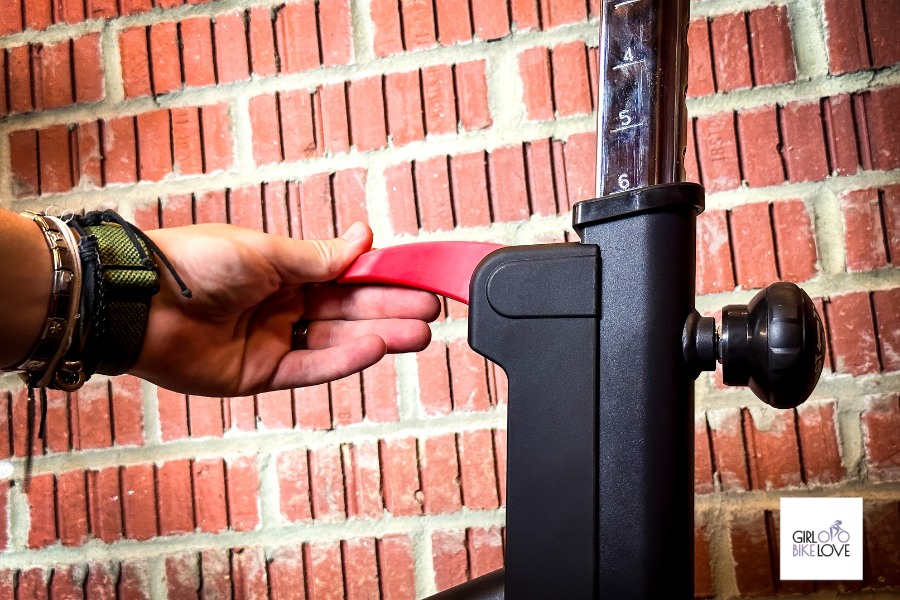
Friction or Magnetic Resistance?
On modern spinning bikes, you have two types of controllable resistance, and they give a very different experience. Here’s what you need to know:
Friction Resistance
Friction resistance is where you will typically have a wool brake pad that is pressed on the bike’s flywheel to create friction. The force of how much the brake pad presses on the flywheel changes the amount of resistance on the pedals.
Friction resistance is typically seen on older, more budget spin bikes. It’s great because you can go from no resistance at all with the brake off the pad to practically impossible to push. It can be adjusted smoothly and doesn’t have levels. You can adjust it wherever you want.
Magnetic Resistance
Then we have magnetic resistance, and this is what is seen on more modern and high-end spinning bikes. It’s where the bike uses a magnetic eddy current to create resistance. At no point do any components touch. This is what many indoor cyclists refer to as frictionless resistance.
Instead of being adjusted anywhere you want, you have levels. So magnetic resistance will have a certain amount of level, such as 1-100 or 1-24. Magnetic resistance makes understanding how hard you are working easier and typically offers a better, quieter experience than friction.
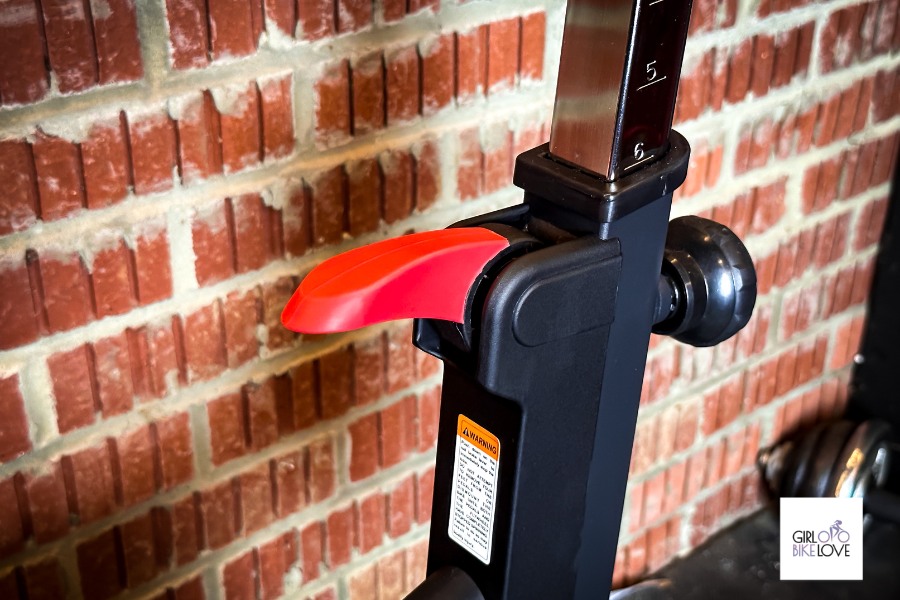
Understanding Resistance Levels
When it comes to resistance levels on a spin bike, you don’t need to overthink it. If you have a friction resistance system, you won’t have levels but will have a very wide range of resistance from light to very heavy.
If you have a magnetic frictionless system, then you will have set resistances to choose from. The bike will range from 10 to 100 resistance levels. You will find it much easier to know your level than the guessing game of friction resistance.
Does More Levels Mean More Resistance?
There’s a common misconception that the more levels you have on a spinning bike, the more resistance you are going to get. This isn’t always the case, and it’s important to understand that just because you have more levels doesn’t always mean you get more resistance.
For example, if you own a Peloton and get 1-24 levels of resistance, it offers the same resistance range compared to a Bowflex C6, which has 100. The Bowflex offers more options to dial that resistance in perfectly.
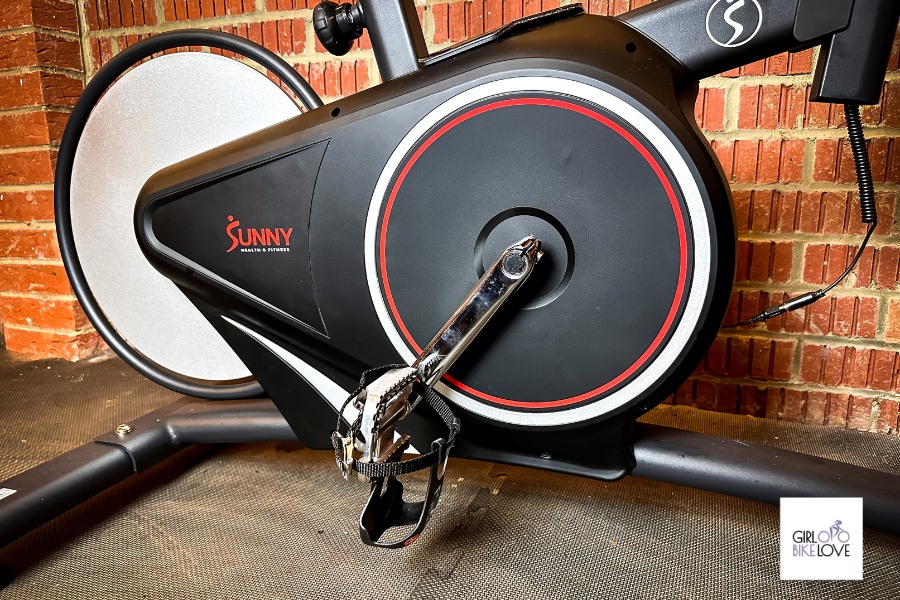
Do Resistance Levels Matter?
Resistance levels are important but not as important as you might think. 99% of spinning bikes will offer resistance low enough to challenge a beginner and also enough to give a professional a great workout.
The only consideration you need to make is how many levels you want when using a magnetic resistance system. Having 10 levels doesn’t really get you enough to dial in the perfect resistance, but anything about 20 is more than enough.
A Final Note
When it comes to exercise levels, it’s easy to overthink it. 20 levels, 40 levels, and 100 levels generally offer the same range of resistance to give you a good workout. We hope you enjoyed our article and now understand spin bike resistance levels.
Quick Answers
What is the difference between friction and magnetic resistance on an exercise bike?
Friction resistance uses a wool brake pad pressed against the flywheel with smooth adjustment and no set levels. Magnetic resistance uses an eddy current without components touching, creating a quieter, frictionless experience with specific numerical levels like 1 to 24 or 1 to 100.
Do more resistance levels mean more resistance on a spin bike?
No, that is a common misconception. More levels do not mean you get more resistance. For example, a bike with 24 levels can offer the same resistance range as one with 100 levels. Having more levels simply gives you more options to dial in the resistance perfectly.
How many resistance levels do I need on an exercise bike?
If you are using a magnetic resistance bike, having 10 levels is not really enough to dial in your perfect resistance. However, anything around 20 levels or more is plenty. 99% of spinning bikes offer enough range to challenge everyone from beginners to professionals.
Do friction spin bikes have resistance levels?
No, friction resistance bikes do not have set levels. Instead, you get a continuous guessing game where you adjust the pad smoothly wherever you want, ranging from no resistance at all to practically impossible to push.
What does resistance do on a spinning bike?
Resistance is the opposition against movement, which is the load required to push the pedals. A higher resistance forces you to apply more power to turn the pedals, while a lower resistance requires less force, allowing you to challenge yourself at different intensity levels.

Is it true that it is difficult to attain max heart rate on indoor cycle than running?