
Here's the Gist
As an indoor cycling instructor and the author of this article, I avoid injuries at all costs so I can keep training comfortably. Indoor cycling injuries are surprisingly easy to avoid once you know what causes them and how to protect yourself on the bike.
- Set up your bike correctly using a fitter, instructor, or video guide to prevent back pain, knee pain, and numbness.
- Always warm up to increase blood flow and cool down to remove lactate and prevent fatigued muscles from tightening up.
- Maintain proper form by pedaling with smooth rotation rather than stabbing down, and avoid silly, fancy moves on the saddle.
- Wear appropriate cycling gear and padded shorts to protect yourself, stay comfortable, prevent overheating, and avoid laces catching.
- Progress session lengths gradually and rest a couple of days a week with plenty of protein to let your body recover.
- If injured, stay off the bike, assess the damage with a medical professional, follow a recovery plan, and take preventive measures.
Nobody likes getting injured in any sport, especially indoor cycling. Injuries can stop progress, cause pain, and make you miserable, so I avoid injuries at all costs to ensure that I can keep training and be more comfortable.
Well, what a lot of people don’t know is indoor cycling injuries can be pretty easily avoided. In this article, I will discuss injuries and the best way to avoid them. I am going to be speaking about:
- Common Indoor Cycling Injuries
- How To Prevent Indoor Cycling Injuries
- What To Do When You Get An Indoor Cycling Injury
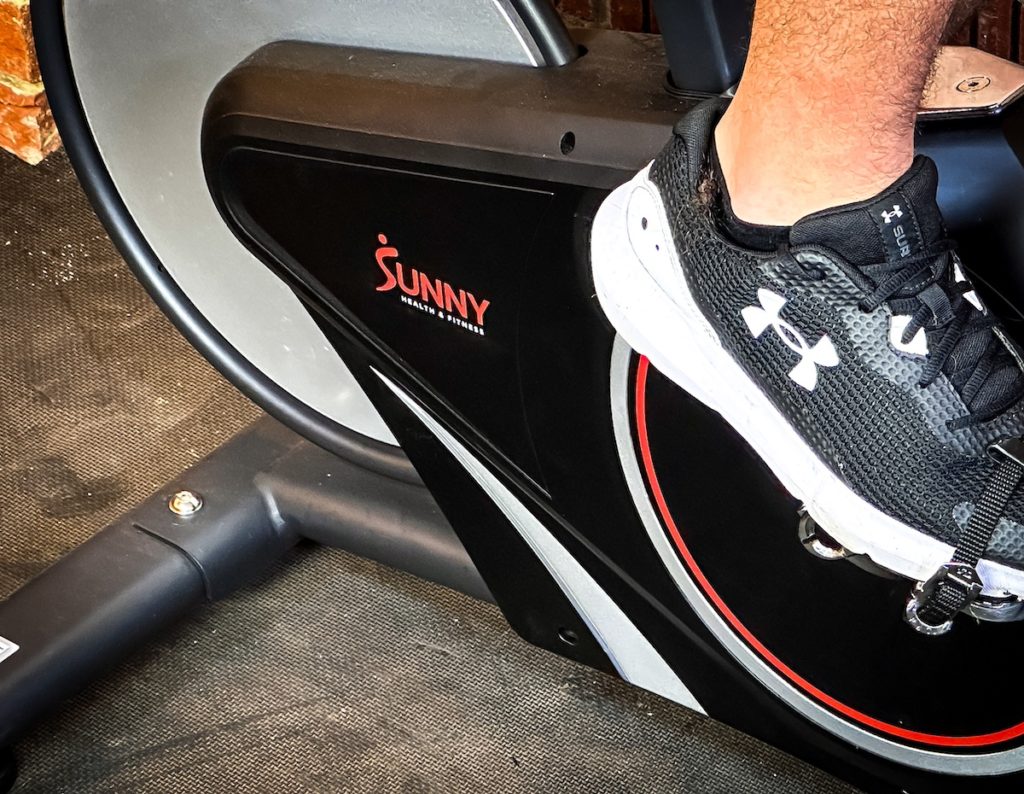
Common Indoor Cycling Injuries
If indoor cycling is done incorrectly, many injuries can result. In this next section, I want to discuss the most common injuries.
| Knee Pain | Generally caused by using too low cadence, overuse, or having the bike setup wrong. |
| Back Pain | Normally lower back, comes from the bike not being set up correctly e.g. handlebars. |
| Saddle Sore | Having the incorrect seat, not being set up correctly, or overuse. |
| Pulled Muscles | Not warming up or cooling down and pushing too much. |
| Numbness | Comes from poor circulation and not having the bike correctly set up. |
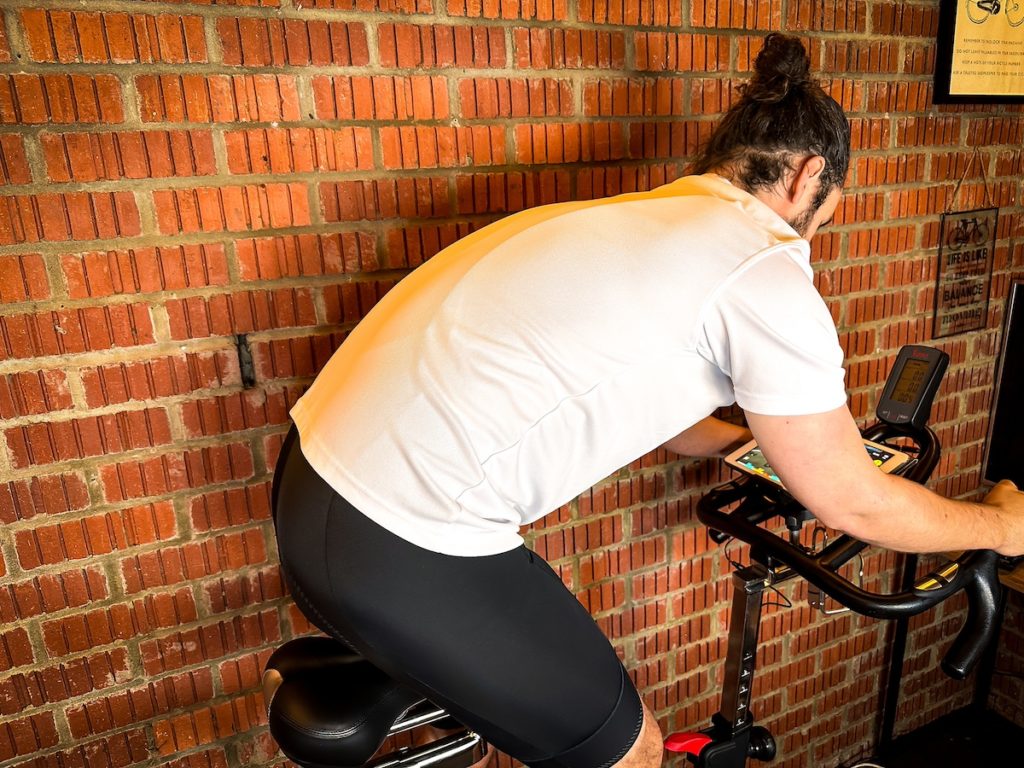
How To Prevent Indoor Cycling Injuries
When it comes to preventing injuries when indoor cycling, it’s not about doing just one thing but multiple things, here’s what I recommend as an indoor cycling instructor.
1. Bike Setup
Having your bike set up correctly is so valuable. Not only will it help prevent injuries, but it’ll also give you a better experience when riding. You will be more comfortable riding, and it can remove the numbness from your hands and feet.
If you want your bike set up correctly, you have a few options. You can see a bike fitter, ask an indoor cycling instructor, or even follow a YouTube video that instructs you on how to do it. After setting up, it might not feel perfect, but your body will adjust.
2. Warm Up And Cool Down
One of the worst things you can neglect is a warm-up and a cool-down. A warm-up slowly stretches the muscles to get them used to the movement, warming them up and increasing blood flow.
The cool-down is the process of taking those worn-out, fatigued muscles, slowly removing the lactate, and easing them off so they don’t tighten up too much on the way back to rest. The warm-up and the cool-down are vital. Never neglect them.
3. Using Proper Form
When riding indoors, you need to ensure that you are using the proper form. You would be surprised at how many injuries come from people not pedaling correctly or getting tired and losing the form they had at the beginning.
It’s always good when you think about the pedal rotation and the knees going down nicely and straight. It’s important not to stab down on the pedals but feel power throughout the rotation.
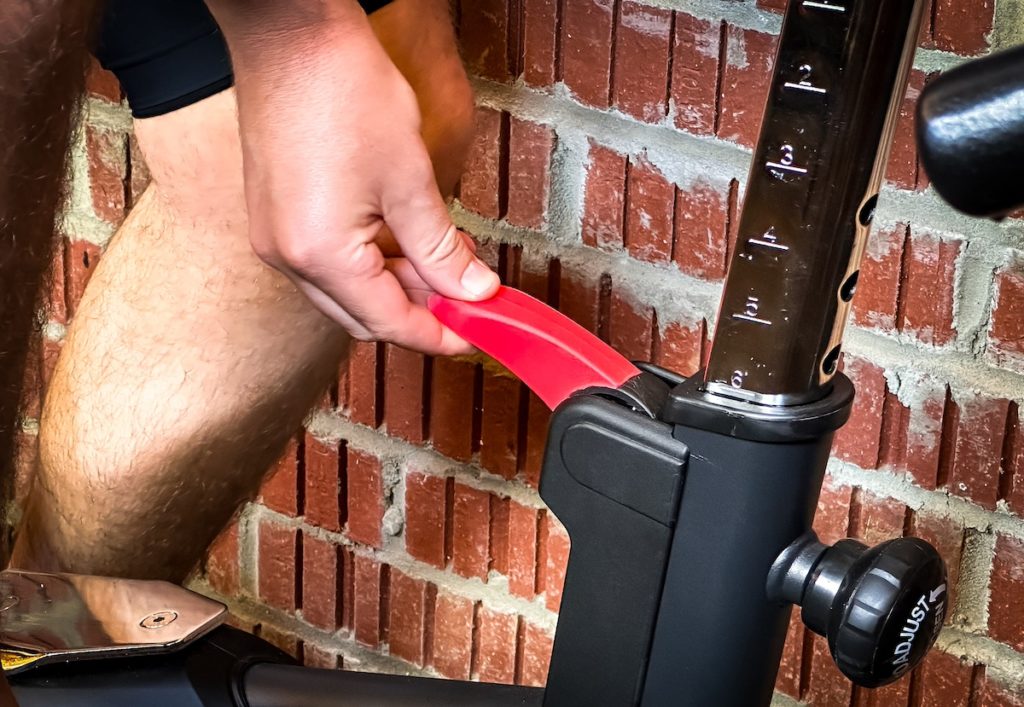
4. Use Correct Clothing
It might sound crazy, but not wearing the correct clothing is a big cause of injury. I have seen cyclists get their laces caught in the bike, people slip off the pedals in incorrect shoes, and even some people overheat in jumpers.
The correct gear will not only make you feel amazing while riding, but it’s also there to protect you. Your experience on the bike will be so much better, and padded shorts are incredibly helpful on those longer rides.
5. Avoid Silly Moves
One of the biggest misconceptions when it comes to indoor cycling is that it needs to be incredibly dynamic and you have to be doing fancy moves on the bike when you really don’t. This craze of jumping around the saddle and standing on one leg isn’t good.
The best way to become a better indoor cyclist and get the most out of a workout is to dig into those pedals and keep it simple with sitting, standing, and sprints. The best way to avoid injury is to keep it simple.
6. Progression Over Time
Another great way to avoid injuries is slowly progressing as you get stronger. It’s very easy to injure yourself by giving too much when you’re not ready. If you have only been doing a 15-minute session, avoid jumping up to a 60-minute session straight away.
The body can only make small adaptations at a time, and growing as an indoor cyclist can be a challenging progression. The key is to enjoy the process and let the progression happen naturally.
7. Rest
Indoor cycling is a lot of fun, and once you have the bug for it, you will want to do it every day because it will make you feel great. This isn’t always a good idea, and riding every day can not just stop progress, but it can cause injuries very quickly.
Ensure that you take the time to rest a couple of days a week and get lots of protein for recovery. There’s nothing wrong with having a day off. Even professional cyclists take time off and have long off-season periods.
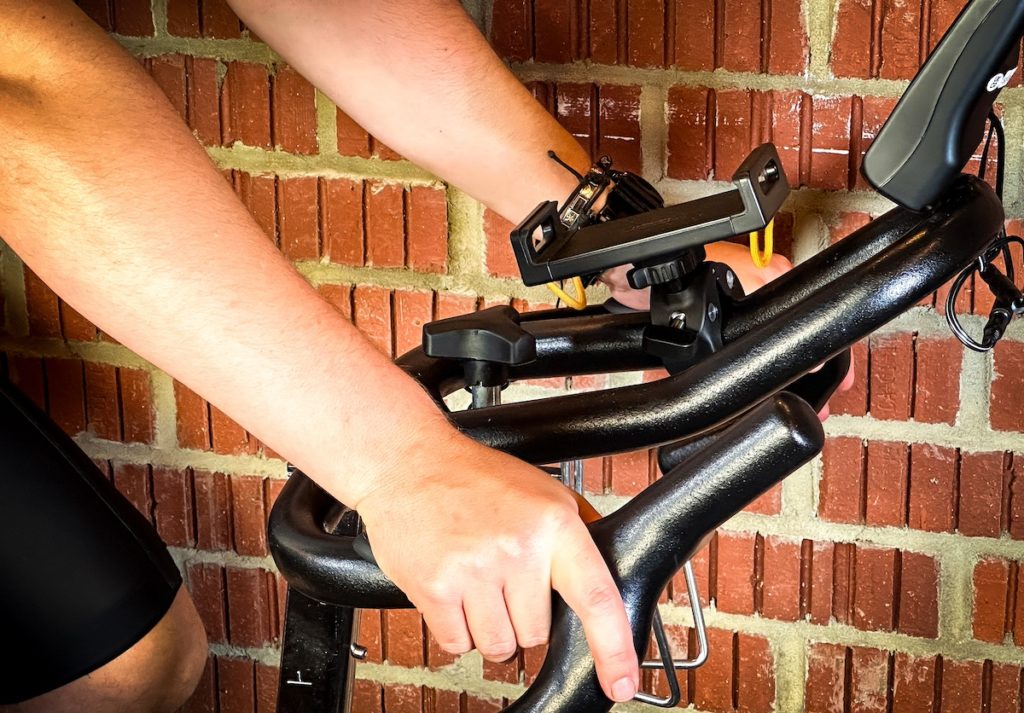
What To Do When You Get An Indoor Cycling Injury?
Now that you know how to prevent injuries, how do you get back on the bike after an unexpected injury? Here’s my step-by-step process, which I used personally.
Step One: Rest
Once injured, the first step is to start resting. This means staying off the bike and avoiding any other exercise that might aggravate the injury.
Step Two: Injury Assessment
Next, you need to start thinking about how you are injured to ensure you can take the correct steps to get fixed. A slightly pulled muscle might be better in a few days, but ligament damage could take months.
If you are unsure what is wrong with you then you should contact a doctor or go and see a medical professional who can correctly diagnose you. You might want to try a sports therapist first.
Step Three: Recovery
Now that you know what’s wrong with you, it’s time to make a recovery plan. This could be as simple as resting for a week and slowly building up the sessions, or you might need to start doing some strength training to strengthen your muscles again.
Step Four: Preventive Measures
Finally, once you have recovered, you might want to take some preventive measures to prevent it from happening again. You might start stretching or choose different exercises to do alongside indoor cycling to ensure the injury doesn’t return anytime soon.
A Final Note
When it comes to indoor cycling, injuries are never good. You will always want to do what you can to avoid them. Thanks for taking the time to read our article, and stay injury-free!
Quick Answers
Why do my knees hurt after indoor cycling?
Knee pain is generally caused by using too low of a cadence, overuse, or having your bike set up incorrectly. To protect your knees, make sure your bike is fitted properly, focus on smooth pedal rotations rather than stabbing down on the pedals, and keep your knees moving down straight.
How can I get my indoor bike set up properly?
To get your bike set up correctly, you can see a bike fitter, ask an indoor cycling instructor, or follow a video tutorial on YouTube. A proper setup prevents lower back pain, knee issues, and numbness in your hands and feet. Your body will adjust even if it feels unfamiliar initially.
What should I wear for indoor cycling to avoid injuries?
You need proper cycling shoes so you do not slip off the pedals, and ensure laces cannot get caught in the bike. Padded shorts are incredibly helpful for preventing saddle sores on longer rides. Also, avoid heavy clothing like jumpers to make sure you do not overheat while riding.
How often should I take rest days from indoor cycling?
I recommend taking time to rest a couple of days every week and consuming plenty of protein for recovery. Riding every single day can quickly cause injuries and stall your progress. Even professional cyclists take days off and have long off-season periods, so resting is vital.
What should I do if I get an indoor cycling injury?
First, rest and stay off the bike entirely. Next, assess the injury and consult a doctor or sports therapist for an accurate diagnosis. Third, follow a recovery plan, which may involve resting or strength training. Finally, implement preventive measures like stretching and specific cross-training exercises before resuming regular rides.
