
Here's the Gist
As a personal trainer who has spent years on the gym floor, I wrote this guide to help you decide between indoor cycling and running. Both deliver fantastic cardiovascular benefits, but they differ dramatically in accessibility, muscle engagement, workout dynamics, and recovery demands.
- Exercise bikes offer cheaper, high-quality home setup options, whereas decent treadmills cost more, though running outdoors requires no equipment at all.
- Cycling builds strength in your quads and glutes, while running places much more intensity onto your core, hamstrings, and calves.
- Both burn between 200 and 900 calories an hour, but cycling provides a wider intensity range while running stays consistently intense.
- Indoor cycling offers more dynamic variety through cadence, resistance, and standing positions, plus richer interactive smart platforms like Peloton.
- Low-impact cycling allows for quicker recovery and more frequent sessions, unlike running, which creates higher joint impact and requires more rest.
When people want to start doing cardiovascular fitness, the two most popular forms of exercise are cycling and running. That’s why when you go to a gym, there are so many exercise bikes and treadmills to choose from.
I was often asked as a personal trainer and someone who has spent years on the gym floor. “Indoor cycling or running, which should I be doing?”
It can be confusing to choose, and we understand people’s dilemmas between the two because taking up both can take a lot of effort and time. Well, they both have a lot of advantages. In this article, I will explain everything you need to know by discussing factors that differentiate them.
You can also check my video on YouTube, where I compare the two types of exercise.
Accessibility
The first factor to mention is accessibility. Although on a gym floor, you will have lots of treadmills and exercise bikes, it’s different when it comes to training at home. An exercise bike is fairly cheap to buy, and budget options are available which are high quality.
When it comes to running for a decent treadmill for home, you can spend a fair amount of money. It’s also worth mentioning that cycling can’t be done outdoors without a bike, but running can.
Muscles Used
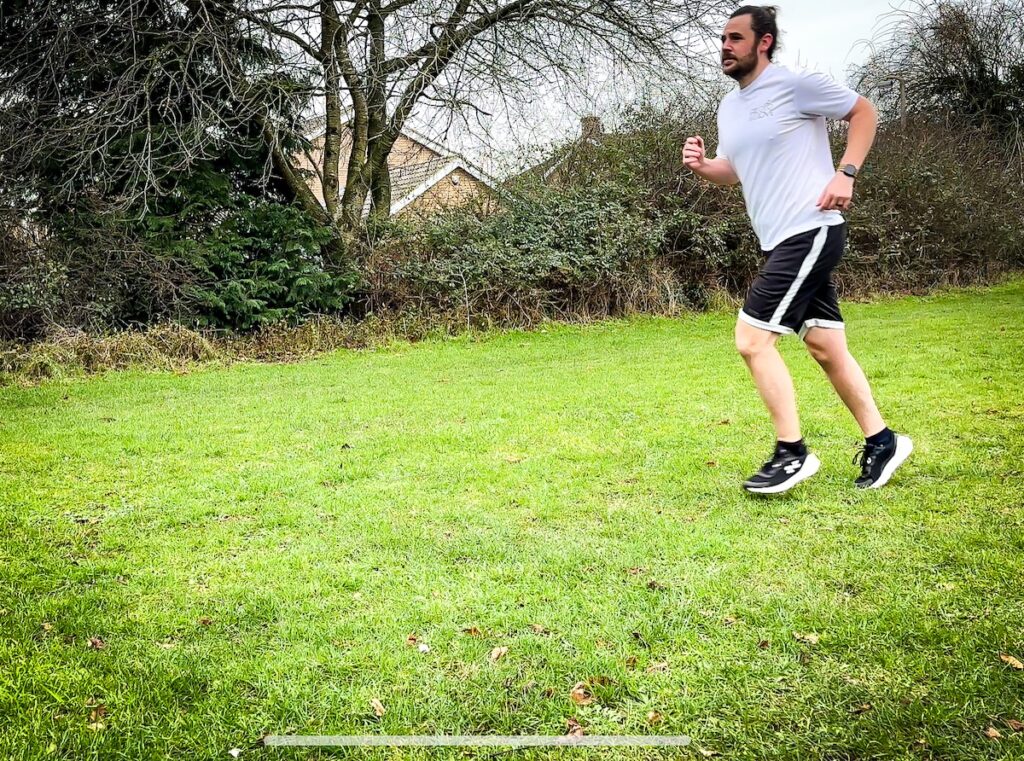
When it comes to muscles, both running and cycling predominantly use the lower body. You will find with running, you do get much more intensity going to the core and also put a lot more pressure on the back of the legs around the hamstring and calves area.
Cycling works heavily into the quads, and you also need to use your glutes to power from the rear. Cycling uses the upper body too, so you need to use your arms and core for control when standing. Cycling is better for leg strength building on the quads and glutes, but running is better for the core and overall legs.
Workout Intensity
Cycling has a much better range when it comes to workout intensity. You can cycle very lightly, barely breaking a sweat, or wind the intensity up to full gas and challenge yourself. This range helps mix up the workouts and gives you options for longer workouts.
When it comes to running, it’s much more intense. Unless you have phenomenal fitness and a jog doesn’t make you sweat, you will find running quite intense. This means you will do shorter workouts, and it can often be a longer recovery.
You can generally burn a lot of calories with both running and cycling. You are looking at between 200 and 900 an hour, in fact. Running can push more calories in a shorter time, but it depends on how hard you work.
Dynamics
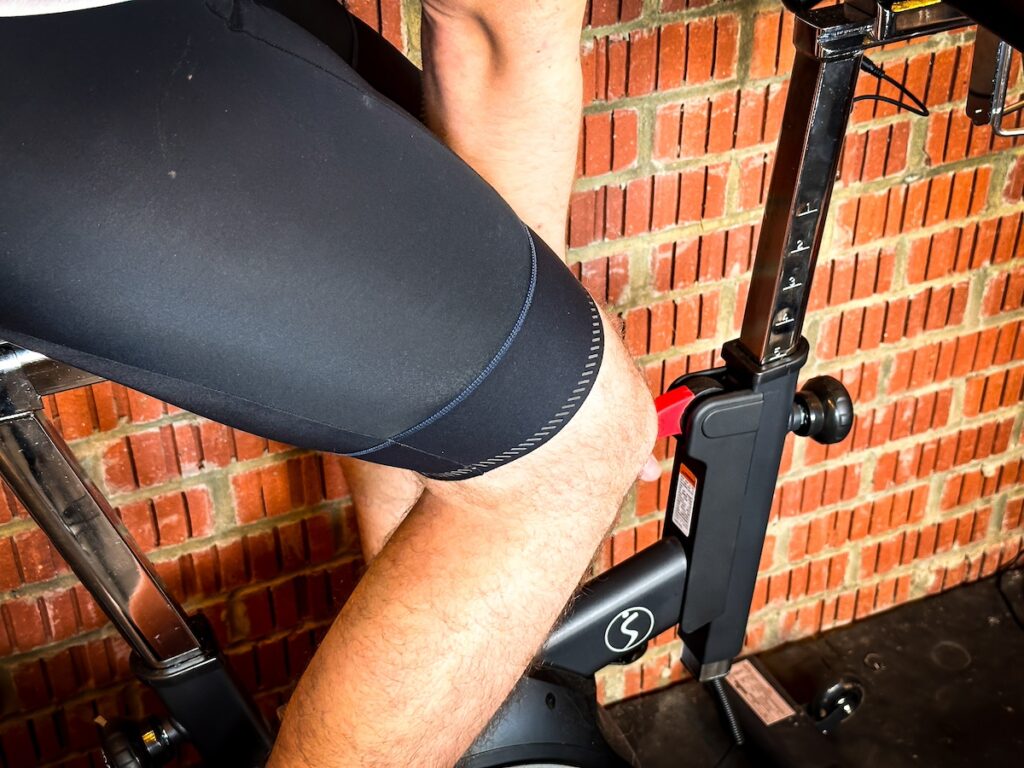
When it comes to dynamics, both cycling and running are very different. Running, I feel, doesn’t offer as many dynamics as cycling. You are really just playing with speed and incline and decline more than anything.
When it comes to cycling, you have cadence, sitting or standing, resistance, and even different hand positions to choose from. If you are looking for workouts that offer a more dynamic feel, then cycling could be the route to go down.
Smart Training
Cycling offers some amazing interactive training options with the rise of bikes such as the Peloton and the NordicTrack S27i. You can go into live online classes with automatic resistance and challenge others on the leaderboard to see who might be the strongest.
With treadmills, there are some interactive options, such as the Peloton tread. Still, very little compared to the bikes, and although they are excellent, the technology is fairly limited compared to indoor cycling.
Recovery
Although it might not be your first thought, recovery is a very interesting subject. Indoor cycling can be done most days, and because it is such a low-impact exercise, you recover very quickly and even have the option of recovery rides.
Running has more impact, and not only is this tougher on the joints, but with it being quite high intensity, it does require more recovery. After speaking to many runners and cyclists, I can say cyclists typically train more due to needing less recovery and having more intensity to play with.
Which Is For You, Cycling Or Running?
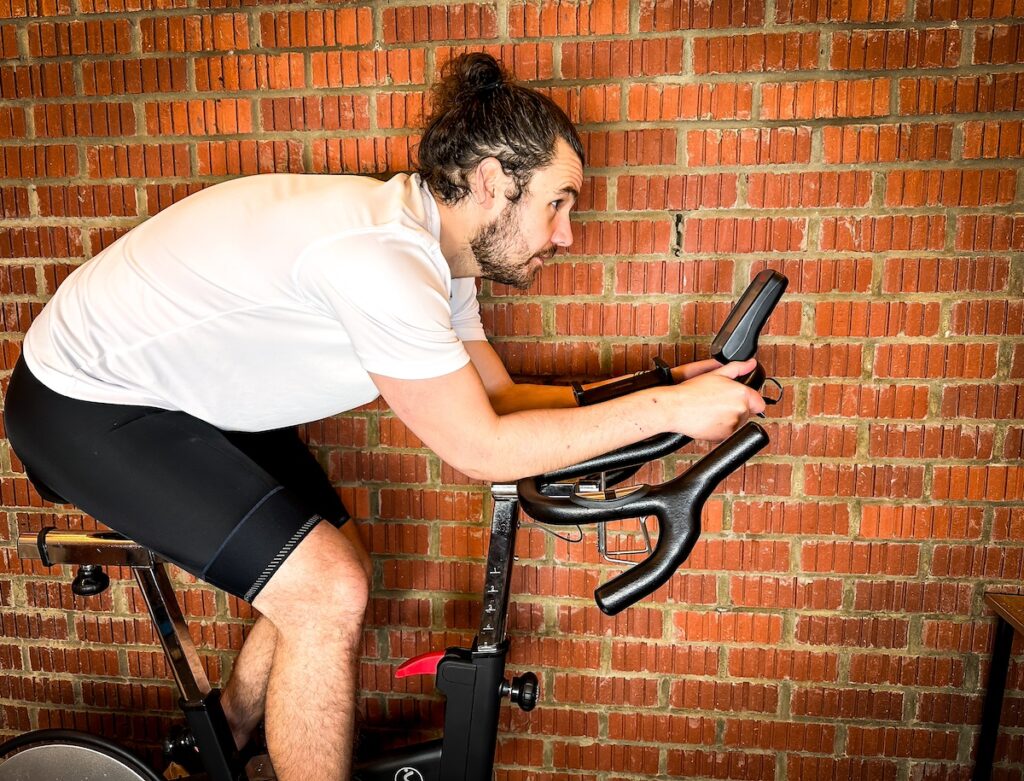
It really comes down to what you enjoy most over anything else. If you love riding a bike, take up indoor cycling; if you love running, I recommend running. It will be miserable training if you don’t enjoy what you’re doing.
Putting enjoyment aside, cycling does offer different intensities, a quicker recovery, and smart bike options, and it is very dynamic from one workout to another. Running offers high-intensity short workouts, can be done outdoors with no extra equipment, and uses different muscles.
Quick Answers
Does indoor cycling or running burn more calories?
Both running and cycling burn between 200 and 900 calories an hour. Running can push more calories in a shorter time because it is generally more intense, but it ultimately depends on how hard you decide to work.
What muscles do cycling and running work?
Both predominantly use the lower body. Running hits your core with more intensity and puts more pressure on the back of your legs, like your hamstrings and calves. Cycling works heavily into your quads and glutes, while also engaging your arms and core for control when you stand.
Is indoor cycling easier on recovery than running?
Yes. Cycling is a low-impact exercise, meaning you recover very quickly, can train most days, and can even do recovery rides. Running has much more impact, which is tougher on your joints, and its higher intensity demands longer recovery periods between sessions.
Is an exercise bike or a treadmill better for home workouts?
For home accessibility and cost, an exercise bike is fairly cheap to buy, with high-quality budget options available. If you want a decent treadmill for running at home, you can expect to spend a fair amount of money.
How do running and indoor cycling compare for workout intensity?
Cycling has a much better intensity range. You can ride very lightly without breaking a sweat or push full gas, allowing for longer sessions. Running is inherently much more intense, meaning you will typically do shorter workouts unless you already possess phenomenal fitness.
