
Here's the Gist
I am the author of this article, and I wrote this guide to show you how to safely mount and ride your bike on a turbo trainer. Indoor training keeps your fitness sharp through winter, but simple setup mistakes can easily lead to severe frame and component damage.
- Clean and degrease your bike first, applying minimal dry lube to prevent excess oil from contaminating the turbo trainer belt.
- Set up on a flat surface using the correct axle adaptors and torque, ideally using a dedicated cassette to minimize swapping parts.
- Never drag or move the bike while attached to the trainer, as this puts unnatural stress on carbon chainstays.
- Use a sweat catcher and towel, then wash the frame regularly to stop corrosive salt from weakening your handlebars and components.
- Avoid aggressively rocking the bike side-to-side during sprint efforts, because rigid trainer mounts can overstress and crack the frame.
- Check your chain regularly and shift gears instead of staying in one cog during ERG mode to prevent uneven drivetrain wear.
One thing that makes cycling challenging for many of us is that it can be difficult to do it all year round. It’s a huge amount of fun in summer going out in shorts and not needing to worry about extra layers, but in winter, this is a completely different story. Base layers, arm and leg warmers, fleece-lined jackets, and thick gloves make riding uncomfortable and difficult at times. You also have fewer daylight hours, rain, ice, and big temperature changes.
Many of us cyclists turn to the turbo trainer. If you’re unsure what a turbo trainer is, this is a device you can put your bike on and replicate riding. There are two main types of trainers you’ll have to choose from; either a direct-drive indoor trainer or a wheel-on indoor trainer.
Turbo trainers are incredible for giving you excellent structured workouts and also help with your bike fit and positioning. With modern bikes being made to be lightweight and aerodynamic, you have to be careful about how you put these bikes on a trainer. In this article, we’ll tell you everything you need to know about safely putting your bike on the turbo trainer and using it.
Want to See it in Action? Check My Video!
Why is it important to put your bike on a Turbo Trainer Correctly?
It’s vital that when you put your bike on the turbo trainer, it’s on correctly. Unfortunately, we have seen many people do this wrong and end up with hefty repair bills and even seen people have to order a new bike. Here’s our reason why;
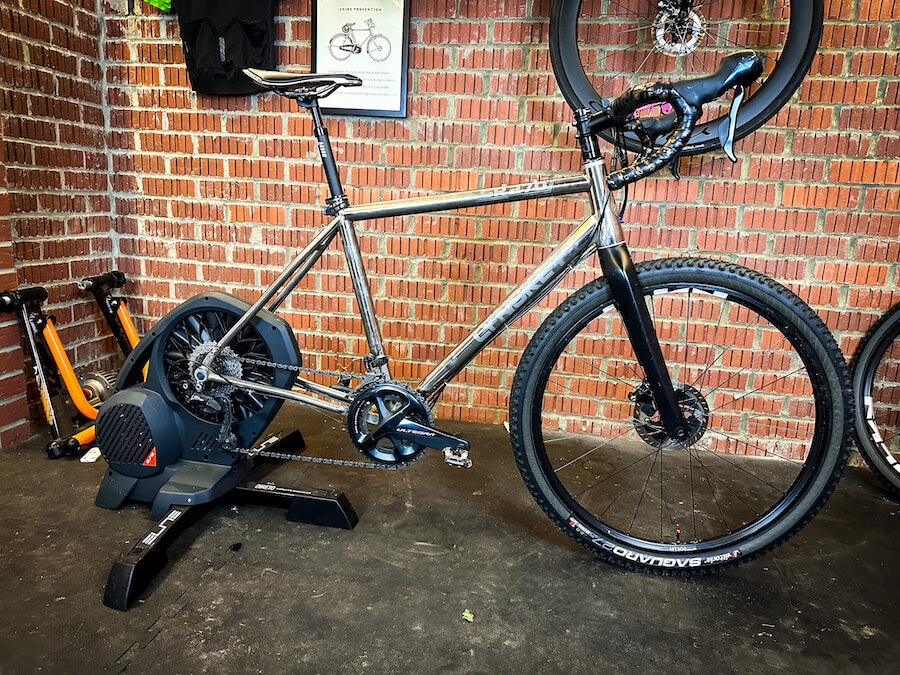
How to attach your bike safely on the Turbo Trainer
The first thing you’re going to need to do is get the bike attached correctly, as this is a common place where many people go wrong. Here’s our step-by-step guide to getting the bike on properly.
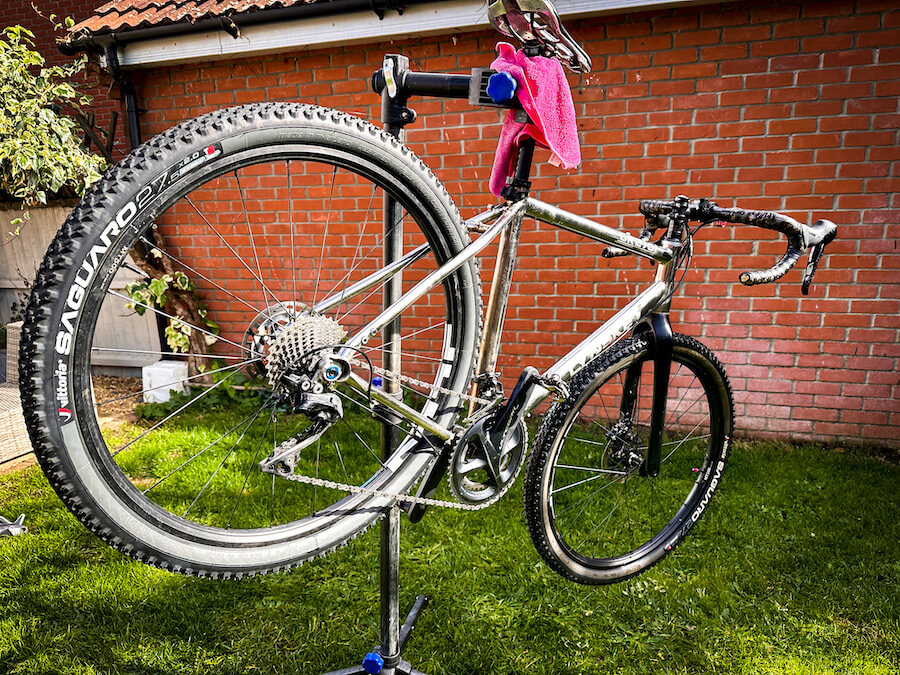
Step One: A clean bike is a happy bike
The first thing you need to consider before seeing a turbo trainer is having a clean bike. You’ll want to remove all the mud and grime off your bike before you start to train. So this starts with a deep clean and a complete degrease. After you have done this, you will want to put on some lube. Use the smallest amount possible, and we recommend using a dry lube such as the Muc Off Dry.
Step Two: Prepare the Turbo Trainer
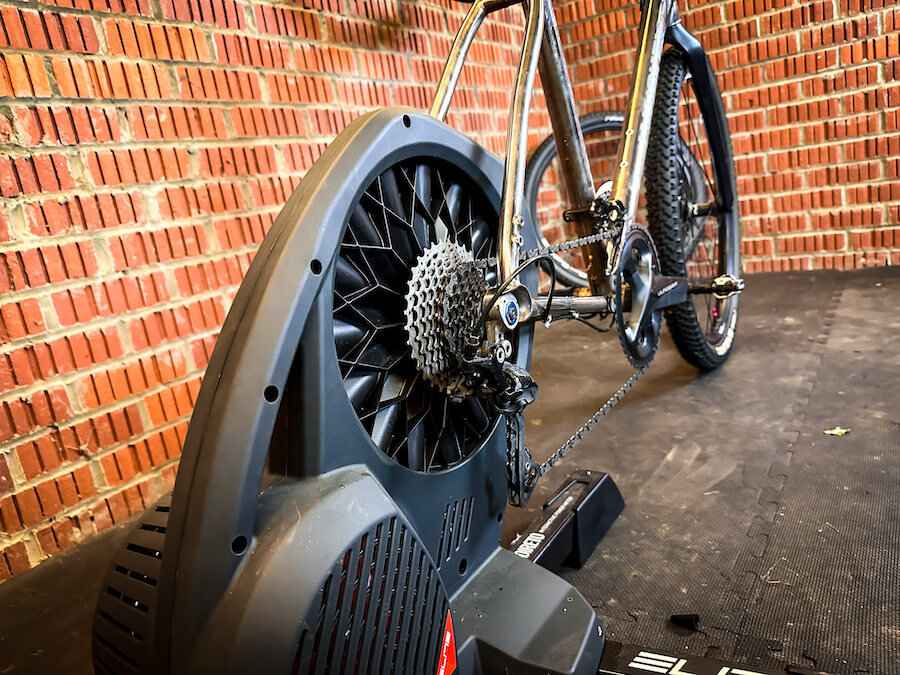
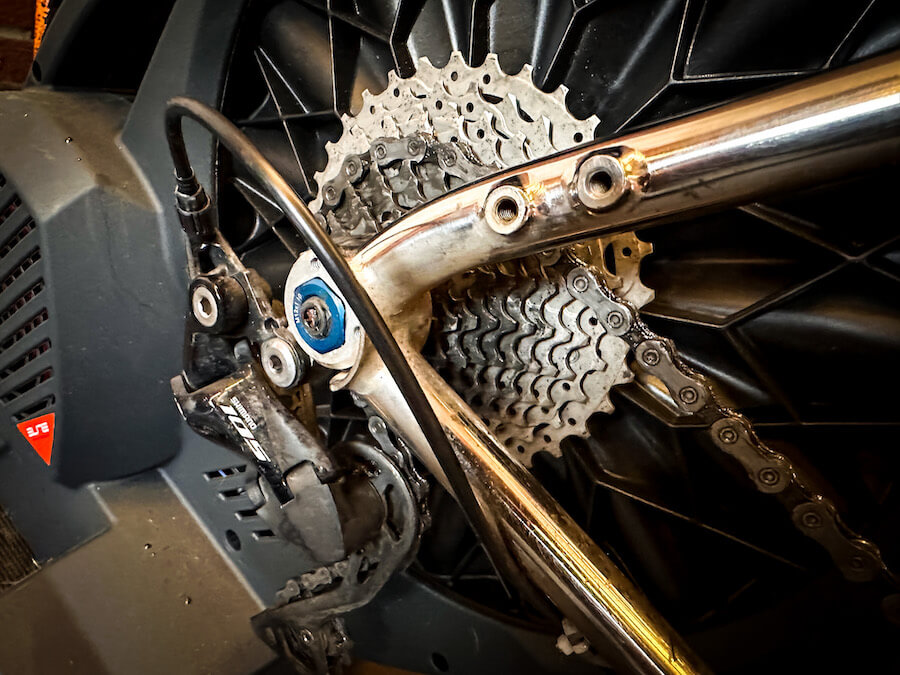
Now it’s time to prepare your turbo trainer. Ensure that you are on a nice flat surface and that the bike has space to be put on without any obstruction. Attach the cassette you plan to use. We recommend buying a second cassette for your turbo trainer to minimize the amount you have to swap parts on your bike. Once attached, ensure it is tight enough, spins freely on one side, and grips on the other.
Step Three: Attach the bike
Step Four: Testing
Now it’s time to give the training setup a test. Jump on the bike and start pedaling; it should feel smooth and easy to ride with. If you hear any odd noises or heavy resistance without it being connected to an application, investigate for any issues.
Our Top Tips for keeping you bike Safe on the Turbo Trainer
Next, we’ll speak about everything you need to do to keep your bike safe on the turbo trainer. These tips will make indoor cycling much more fun and protect your bike.
Don’t move the bike with the trainer on
Bikes, especially ones made of carbon fiber, are incredibly strong but only in places they need to be. Naturally, these bikes are designed to be used on the road and on a turbo trainer, but they are not designed to be moved around like this. Many people who set up their trainers put them in a place that is often used. It could be your living room, bedroom, garage, or even kitchen.
When it needs to be moved out of the way, it’s easy just to drag it, but this is terrible for the bike though, and we have seen cyclists over time on carbon bikes weaken the chainstays to the point of damage that is noticeable. We recommend not moving the trainer and the bike together and think it’s best to disassemble them.
Keep Sweat Away
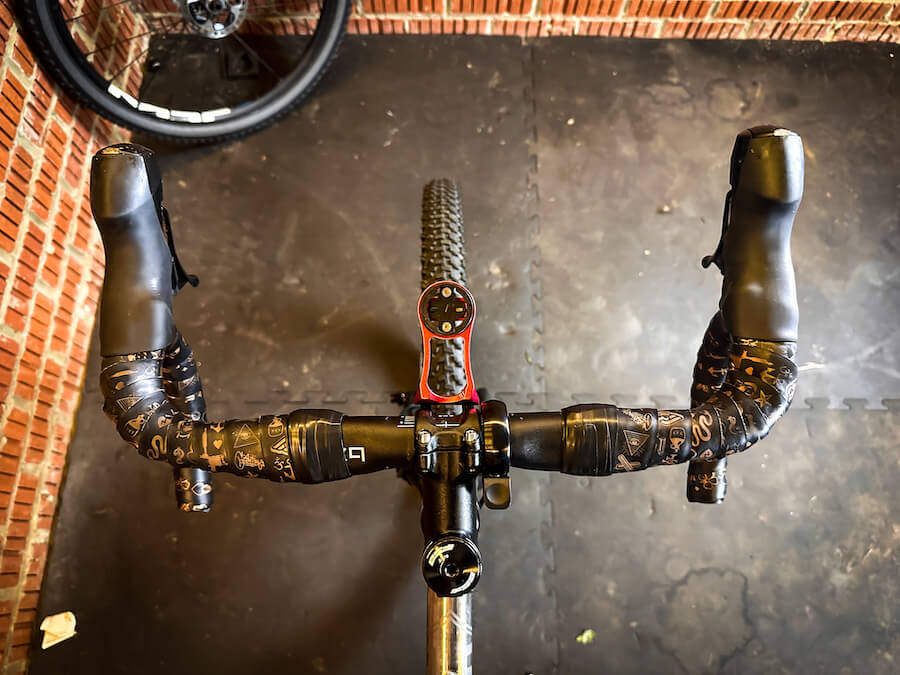
Sweat is your biggest enemy when it comes to the turbo trainer, and if not kept at bay can cause you some serious issues. Riding outdoors means that the sweat dries quicker, meaning less goes on the bike, and also, it means the bike gets washed more often because it gets dirty. Inside, it doesn’t. It sits on your bike and has the ability to corrode through your components. We have seen many people break handlebars due to them being weakened by their own salt.
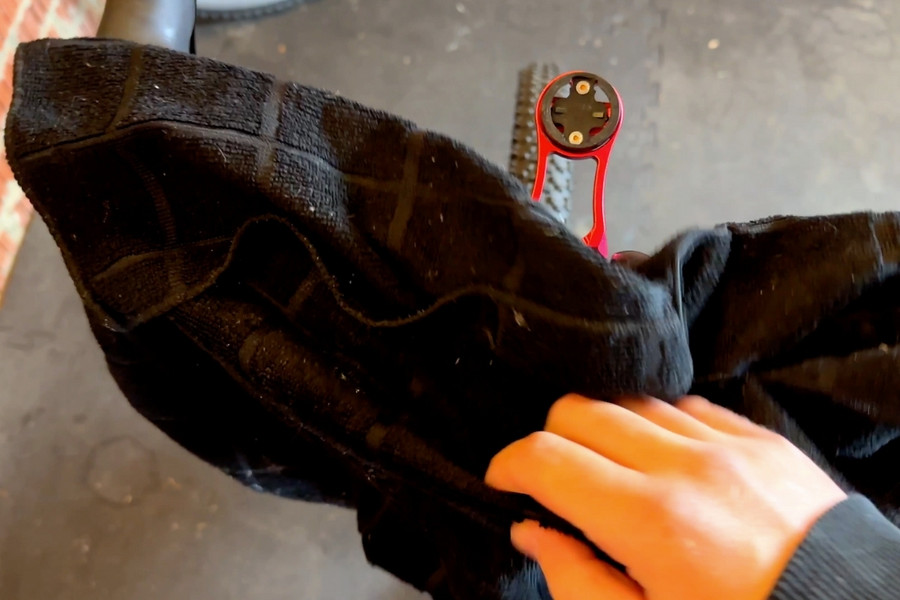
We highly recommend using a sweat catcher and a towel when you are training. Depending on how much you train indoors, you will also want to take the bike off and wash it down with soapy water regularly to ensure that salt doesn’t have the ability to stick and start damaging your components. If you find your handlebars start to smell, the bike is well overdue for a cleaning.
Look after your Wheels and Tires
When using a turbo trainer, you must ensure your wheel and tires are well looked after. On a wheel on a trainer, you should use a turbo trainer tire and ensure the tension and the tire’s PSI level are correct.
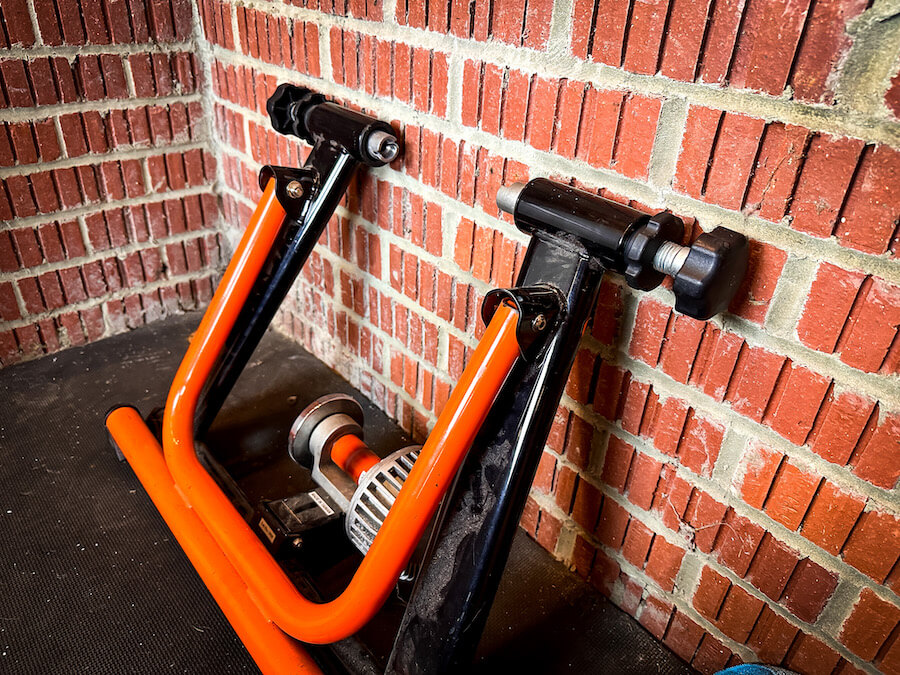
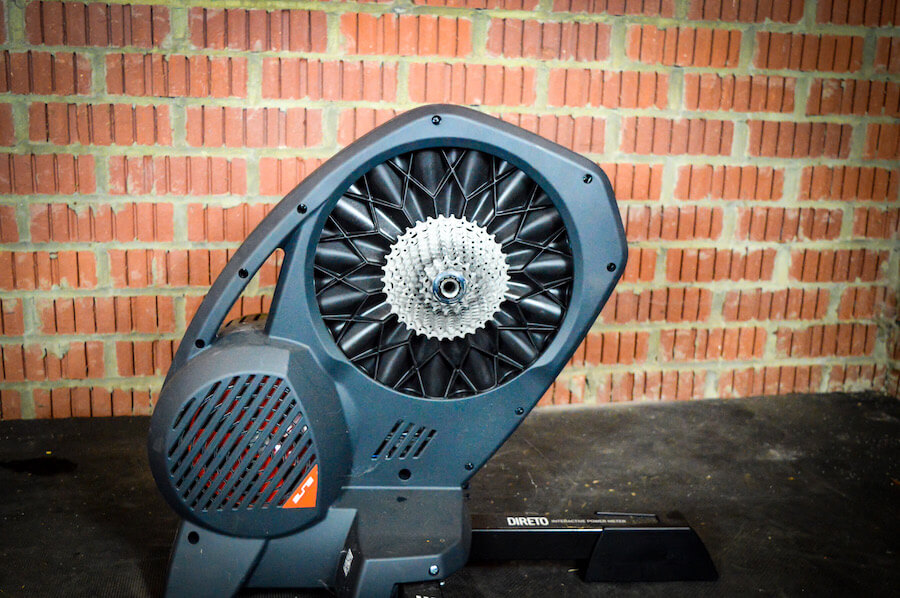
On the direct drive trainer and wheel-on trainer, you will want to rotate the front wheel every so often to ensure you don’t get a misshapen tire or put uneven pressure on one part of the wheel for too long. Also, keep an eye on the PSI on the tire, so you don’t end up banging the rim in those super sprints.
Don’t go Silly
When you watch people in Zwift Races online, you see them at the final sprint going crazy. They are pulling the bike from side to side and giving everything for that win. This isn’t ideal when it comes to your bike, especially your carbon fiber bike. A bike isn’t designed to be thrown side to side in a rigid block, which can damage the bike under heavy load.
Many companies state in their manuals if you use the bike on a turbo trainer, the warranty becomes invalid. We highly recommend that if you are on the turbo, do not be shy with the wattage but try not to damage your bike by swinging it side to side like a professional heading up a climb in the Tour de France.
Check for Wear
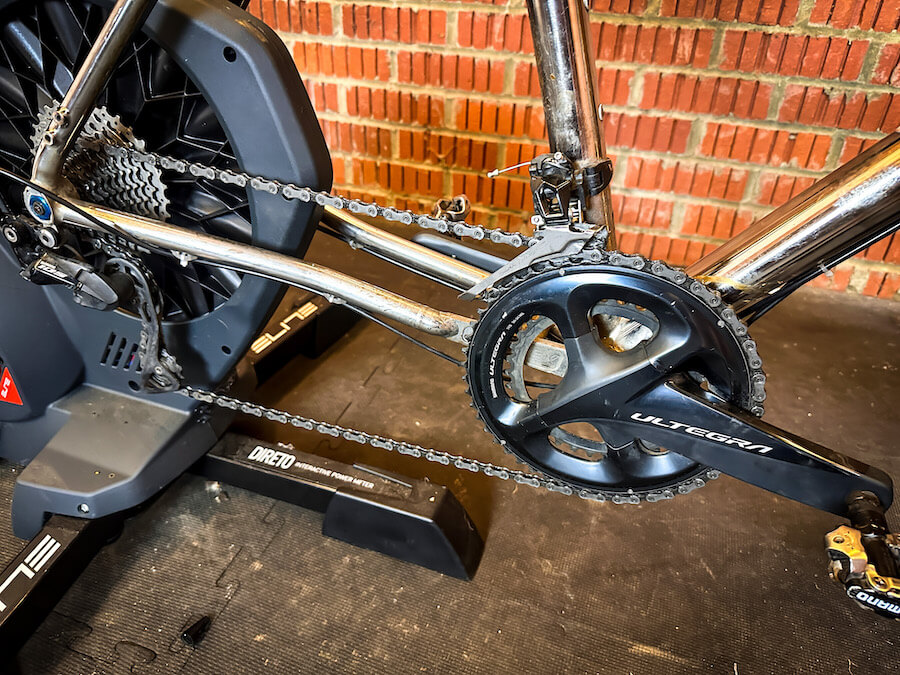
Although when you train inside on a turbo trainer, you typically avoid wear on your wheels, tires, and other places on the bike, you do put a huge amount of wear on some of the drivetrain components. The chain, cassette, and chainrings take a huge beating, and you will find that using modes like ERG will keep you in the same gear for hours on end.
We highly recommend using a chain checker regularly and switching to different gears to ensure even wear and that you stay on top of the components. If your gears ever slip or you find the bike jumping cogs, it needs to be seen sooner rather than later.
Lubrication
Turbo trainers get through lubrication very quickly for some reason. We recommend staying on top of this at all times. This helps give you free wattage and keeps the bike quiet and the chain protected from as much wear as possible. It is one of the most essential maintenance tasks for a bike trainer.
The best lubes to use are a dry lube and ensure after application that you clean it off the slides of the chain to ensure that none gets on the turbo, as this can cause belt issues if it gets inside.
Conclusion
Following these simple steps will ensure that your bike and turbo trainer stay in tip-top condition when you train indoors for winter. They are very easy to do and can save your bike and turbo from being replaced long-term.
FAQs
Can you leave a bike in a Turbo Trainer?
Do Turbo Trainers damage carbon bikes?
Is cycling on a Turbo Trainer good for you?

Quick Answers
Can I move my bike while it is attached to the turbo trainer?
We strongly advise against moving them together. Bikes, especially carbon models, are not designed to be dragged like that. Doing so puts severe strain on the frame and can weaken the chainstays over time. Always disassemble the bike from the trainer if you need to relocate it.
How do I prevent sweat damage to my bike on a turbo trainer?
Sweat can corrode components indoors and even weaken handlebars until they break. We highly recommend using a sweat catcher and a towel while riding. Regularly take the bike off the trainer and wash it down with soapy water to keep salt from sticking, especially if your handlebars start to smell.
Can sprinting on a turbo trainer damage a carbon bike frame?
Yes, if you rock the bike aggressively. Bikes are not designed to be thrown side to side while held in a rigid block, which can cause damage and even void your warranty. Don't be shy with your wattage, but avoid swinging the bike from side to side during sprints.
What is the best chain lube to use on a turbo trainer?
We recommend using a dry lube, such as Muc Off Dry, applying the smallest amount possible. Trainers go through lubrication quickly, so stay on top of maintenance. Always wipe excess lube off the sides of the chain to stop it from getting inside the trainer and causing belt issues.
How do I protect my front wheel and tire on an indoor trainer?
Whether using a direct-drive or wheel-on trainer, rotate your front wheel every so often. This prevents the tire from becoming misshapen and avoids putting uneven pressure on one section for too long. Also, keep an eye on your tire's PSI so you don't bang the rim during sprints.
