
Here's the Gist
As a cycling and spinning instructor, I frequently work with both fitness-focused riders and performance athletes chasing data. In this guide, I compare speed and cadence sensors with power meters to help you choose the best tool for your training.
- Cadence sensors track rotations per minute, whereas power meters calculate your true energy output in watts using force, distance, and duration.
- You do not need an extra cadence sensor if you buy a power meter, as power meters already provide cadence readings.
- Speed and cadence combo sensors cost between $25 and $100, while dedicated power meters generally run from $500 to over $1,000.
- Apps like Rouvy, Zwift, and TrainerRoad can estimate power using speed-to-power ratios if you do not own a dedicated power meter.
- Beginner and intermediate riders should start with affordable cadence sensors, whereas advanced and elite cyclists will gain the most value from power meters.
- My top recommendations include the $69.99 Wahoo sensor pack for affordability and Garmin Rally pedals or the Schwinn Z Bike for power tracking.
I tend to encounter two types of cyclists in my class or out on the road. The first type of cyclist is the one that wants to get a great workout, rides for pure enjoyment, and desires to break a sweat. The second type of cyclist is focused on performance and their metrics of how they can become faster and stronger while riding. So whether you ride to break a sweat or are driven by the data, we have a power meter or cadence sensor to improve your next workout.
Is a cadence sensor the same as a power meter?
While both a cadence sensor and a power meter supply data while riding the bike, what they measure is quite different. A cadence sensor will calculate how many rotations per minute your wheel turns. However, a power meter, hence the name, measures your power output by analyzing your torque, distance, and duration.
Do I need a cadence sensor if I have a power meter?
If you have a power meter, then you really do not need a cadence sensor as well since a power meter will also provide a cadence reading.
Power Meter: What is it, Pros & Cons
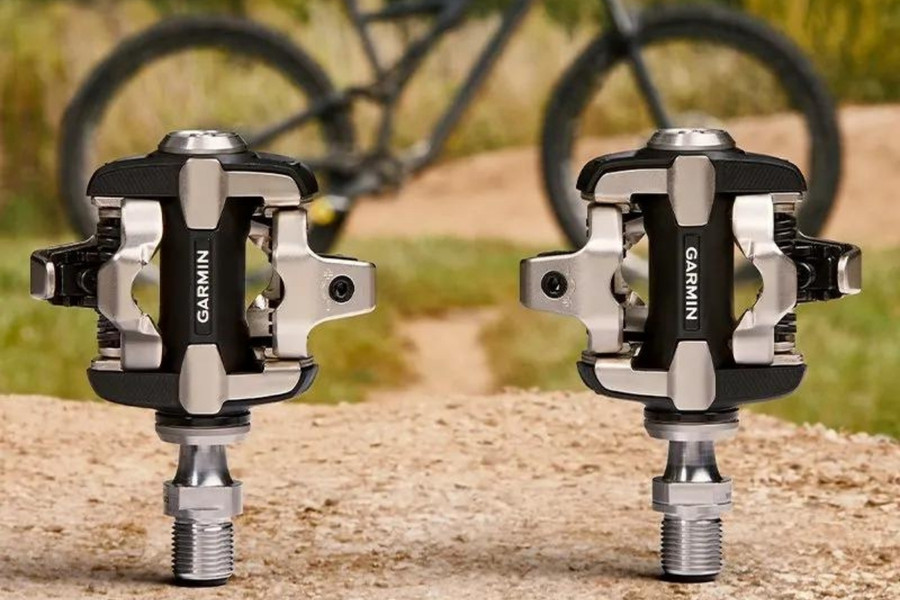
A power meter helps to measure a rider’s power output through watts. A watt measures your energy output (power) during a given time while riding. The meter uses the metrics of torque (aka force), distance, and time to create the power calculation. A strain gauge measures force and is usually located on the crank arm, crank spider, or pedal axle. Power meters can offer single-leg or dual-leg options. Only the left leg can provide actual power data for a single-leg power meter, and the right leg will be an estimation. However, dual-leg power meters will provide information for both legs but come at a higher price point than single-leg models. The power meter uses Bluetooth and ANT+ technology to transfer the data to other apps and devices.
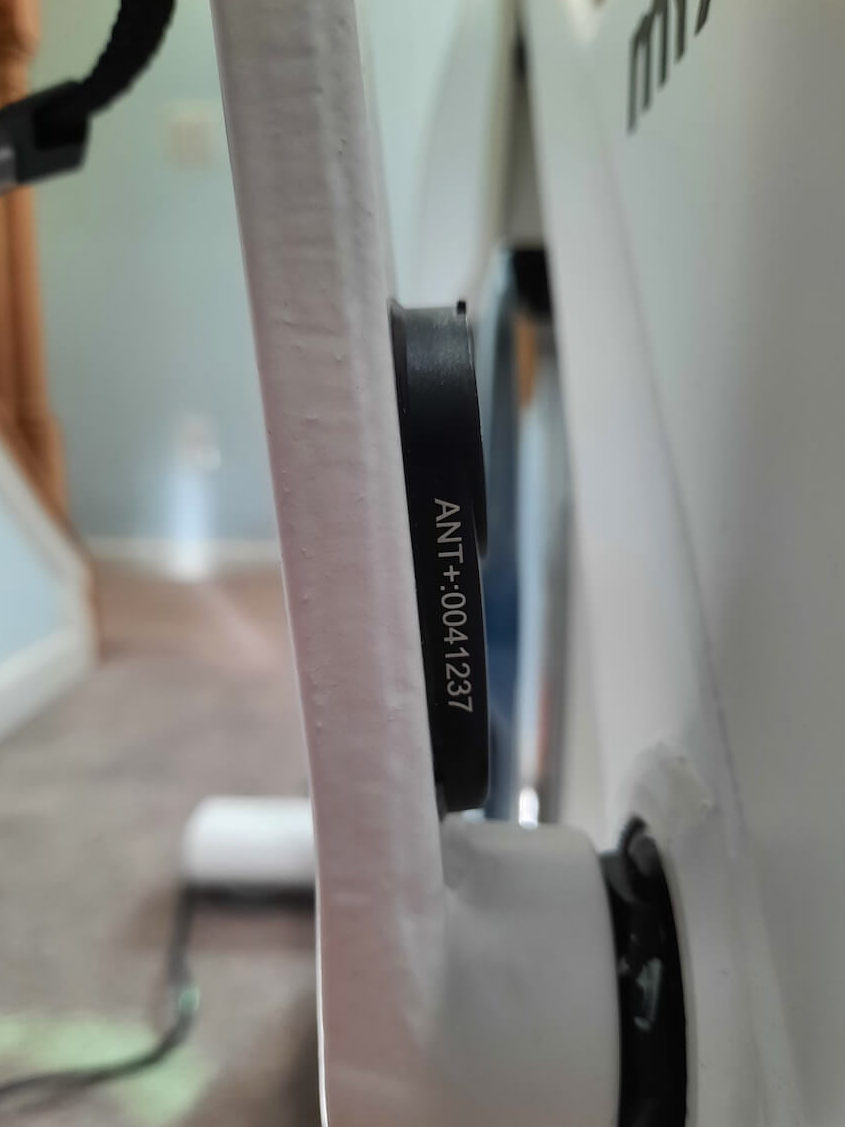
For those hardcore riders that want to see where their strengths or weaknesses are as a rider, then a power meter is a fantastic investment. The data they provide can help transform how riders train to maximize their results.
| Pros | Cons |
|---|---|
| Provides an abundance of metrics | Expensive |
| Ideal for elite cyclists | Not meant for beginners |
Speed/ Cadence Sensor: What is it, Pros & Cons
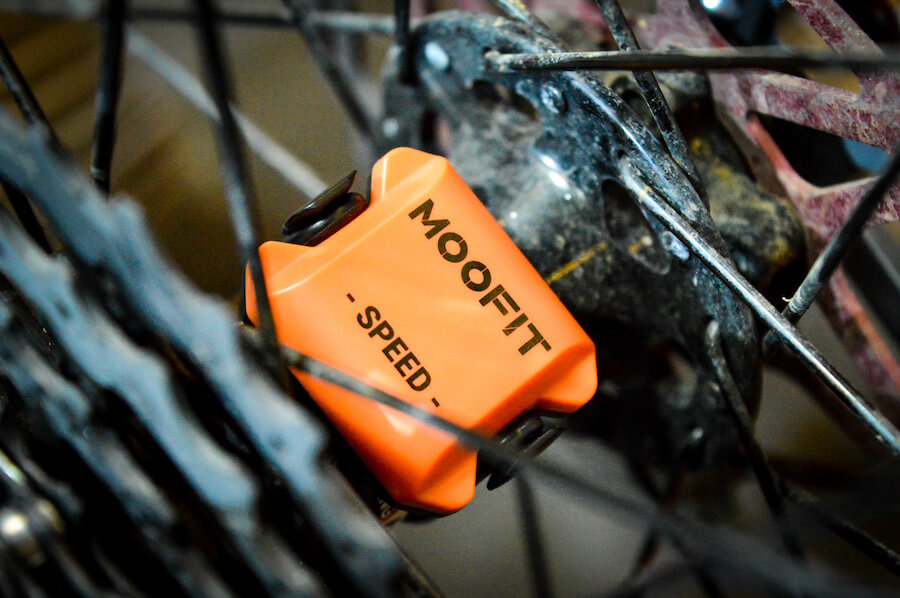
Sensors are incredibly helpful in tracking the key metrics to maximize your ride. Speed and cadence sensors can be purchased individually, or there is the option of buying both sensors as one package. While combination sensors are wireless, they will require an ANT+ to be able to transfer this information to the bike computer or other device. Let’s look a little more at the metrics that this type of sensor tracks.
This type of sensor can help you become a stronger rider by providing feedback on how fast and far you travel during your ride. For example, riders can learn what their average cadence or speed is during a specific ride in which the rider can continually try to increase the metrics.
These sensors, on average, range in price from $25-$100, although they can be much more expensive if you are wanting a version that will link directly to a smartwatch.
| Pros | Cons |
|---|---|
| Affordable | ANT+ also required |
| Wireless | Not the best option for Elite Cyclists |
| Long Battery Life | |
| Great for Newer Riders |
Differences & Comparison Table
The main similarity that these various types of sensors and meters have in common is their ability to provide real-time feedback instantly to the rider or the option to store that information to be analyzed at a different time. Check out the table below to see how these sensors and meters differ.
| Cadence/ Speed Combo Sensor | Power Meter | |
|---|---|---|
| Price | $25-$100 | $500-$1000+ |
| Intended User | Beginner, Intermediate, Advanced | Advanced, Elite |
| Metrics Tracked | Cadence, Speed | Cadence, Force, Duration, Distance |
What Do The Popular Apps Use to Measure Power
If you do not have a power meter or smart trainer, don’t worry; many currently available apps use estimation to calculate your power and other metrics. For example, Rouvy and Zwift use your speed in addition to a power curve model they have each created for estimated power. Likewise, TrainerRoad uses a speed-to-power ratio to calculate a rider’s power output. Different sensors also can link with various apps. Later on, I will share my top recommendations.
If you like using a particular app and are looking at which sensor or meter to purchase, check the specifications to see if they will work together before purchase.
What to Choose & How
The decision to purchase a cadence and speed sensor or a power meter really depends on what type of rider you are and the type of investment you want to make. Power meters are a great piece of technology that provides a ton of feedback, but unless you are a seasoned cyclist looking to take your training to the next level, they might not be the best choice for you. Since power meters can cost thousands of dollars for a top-of-the-line model, it is vital that you understand the metrics this device will provide and how to use that information. Otherwise, it might not be the right investment at this time.
For beginning and intermediate riders, a cadence/speed sensor is the best purchase you can make. Not only are these types of sensors affordable, but they provide enough real-time feedback to improve your training and make the most out of every ride. Of course, you can always transition to a power meter farther down the line.
FAQ
Does a power meter also measure cadence?
What is the difference between cadence and speed?
Can you calculate watts from speed and cadence?
My Best Pick as a Spinning Instructor
Verdict
If you are newer to cycling or like to ride as a form of fitness, then a combination sensor will probably be sufficient. However, a power meter might be the wiser investment if you are becoming serious about cycling and want to improve your riding significantly. If you are unsure where you fall as far as your cycling goals, we recommend starting with cadence and speed sensors and then progressing to a power meter later.
Quick Answers
Do I need a cadence sensor if I already have a power meter?
No, you do not need both. If you already have a power meter, it will also measure and display your cadence reading while you ride.
What is the difference between a single-leg and dual-leg power meter?
A single-leg power meter provides actual power data only for your left leg while estimating your right leg's output. A dual-leg power meter provides information for both legs, giving you full data, but it comes at a higher price point than single-leg models.
Can I use a bicycle speed sensor on an indoor cycling bike?
Speed sensors are usually not compatible with most indoor cycling bikes. They are designed for road bikes and are typically mounted directly onto the hub of a bicycle wheel.
How do cycling apps estimate power without a power meter?
If you do not have a power meter, apps estimate your metrics. Rouvy and Zwift use your speed along with their own power curve models to estimate power, while TrainerRoad uses a speed-to-power ratio to calculate your output.
Should beginners choose a power meter or a cadence and speed sensor?
For beginning and intermediate riders, I recommend starting with an affordable cadence and speed sensor costing between $25 and $100. Power meters range from $500 to over $1,000 and are designed for advanced or elite riders. You can always transition to a power meter later.
