Here's the Gist
As an indoor cycling instructor, I am frequently asked by students how to pick up their pace and keep up in class. In this article, I share four proven ways you can pedal faster by improving your gear, endurance, form, and resistance habits.
- Clip-in cycling shoes generate 10% more power in the saddle, last 3,000 to 5,000 miles, and are usually compatible with SPD pedals.
- Build aerobic endurance by riding 20 to 30 minutes without breaks, later adding 5 to 7 minute bouts of higher resistance.
- Maximize your stroke by generating power between 2 and 4 o'clock, dropping your heel near 3 o'clock, and lifting it from 6 to 12.
- Push through the ball of your foot, ensure your knee tracks over the ball rather than your toes, and keep a slight knee bend.
- Never sacrifice resistance for speed; pedaling with higher resistance at 80 to 90 RPM taxes the body more than 100 RPM with light resistance.
Get ready to pick up the pace in your next class. Whether you want to improve your fitness level or just try to keep up in class, learn how to start pedaling faster.
Check out our video on how to pedal faster in your spin class!
4 Ways to Pedal Faster
Invest in Spin Shoes
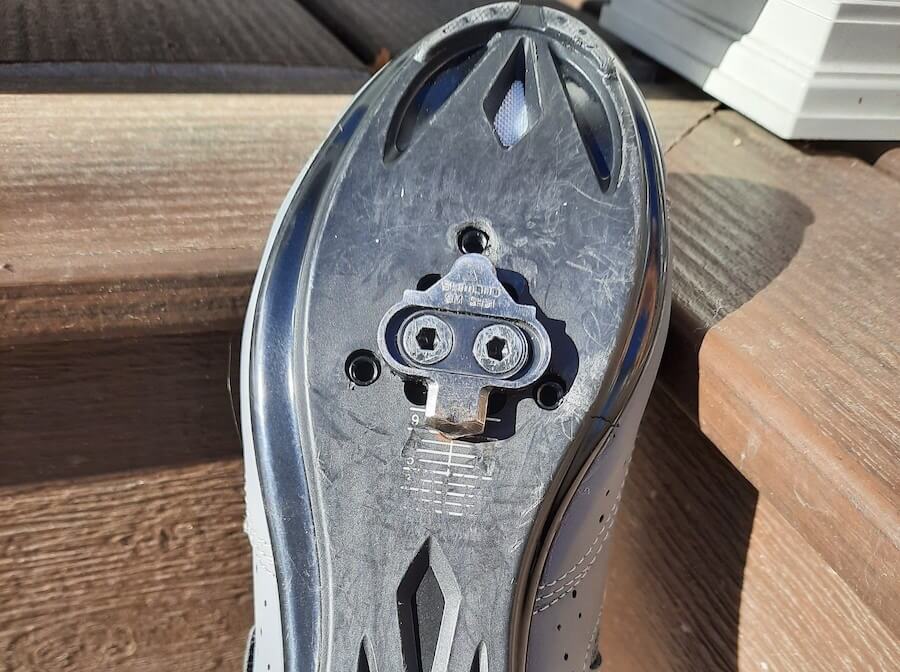
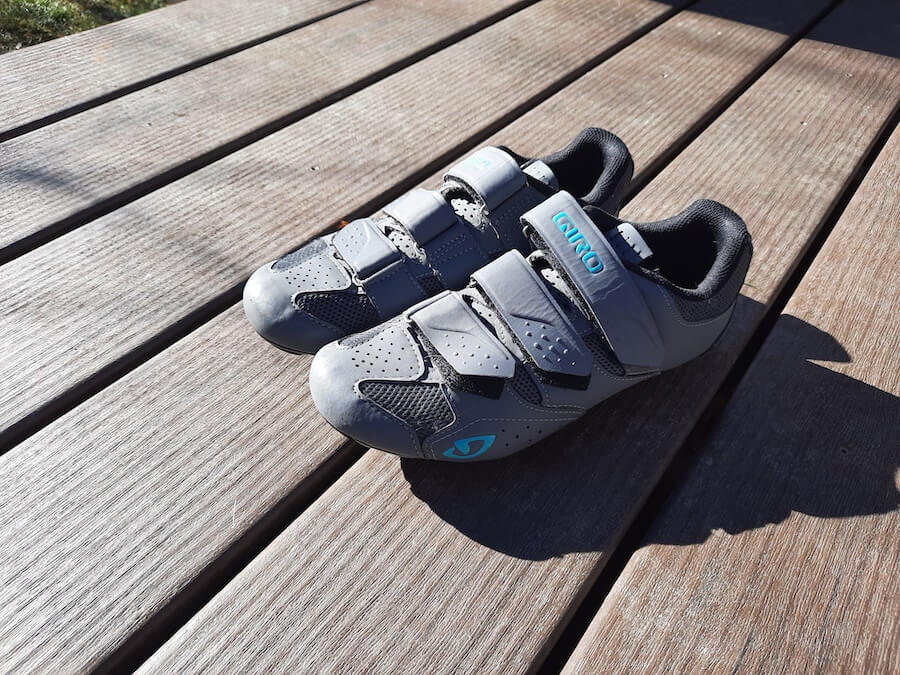
Did you know that you can pedal faster and more efficiently by just picking the right shoes? Since cycling shoes attach directly to the pedals, it allows for greater contact with them and the ability to generate more power. In a recent study, cycling shoes have been proven to generate 10% more power while riding in the saddle. In addition, although a decent pair of cycling shoes can run over $100, they last for a long time since they only need to be replaced every 3,000-5,000 miles. Finally, ensure you select the right cleat that is compatible with the spin bikes at your studio. The vast majority of spin studios have SPD pedals, but it is always important to double-check. If not, you can always change them with ease.
Increase Your Fitness Level
Maintaining a higher pace for a longer time is demanding on the body. Therefore, for longer bouts of higher cadences, increasing your endurance level will help to aid in your success.
How do I increase my spin endurance?
You will want to train in the aerobic zone to increase your spin endurance. This means your body will be breaking down glucose with the assistance of oxygen, allowing your exertion level to be maintained for longer. In contrast, training anaerobically, meaning the body is breaking down glucose without the help of oxygen, this type of training can only be done for very short periods.
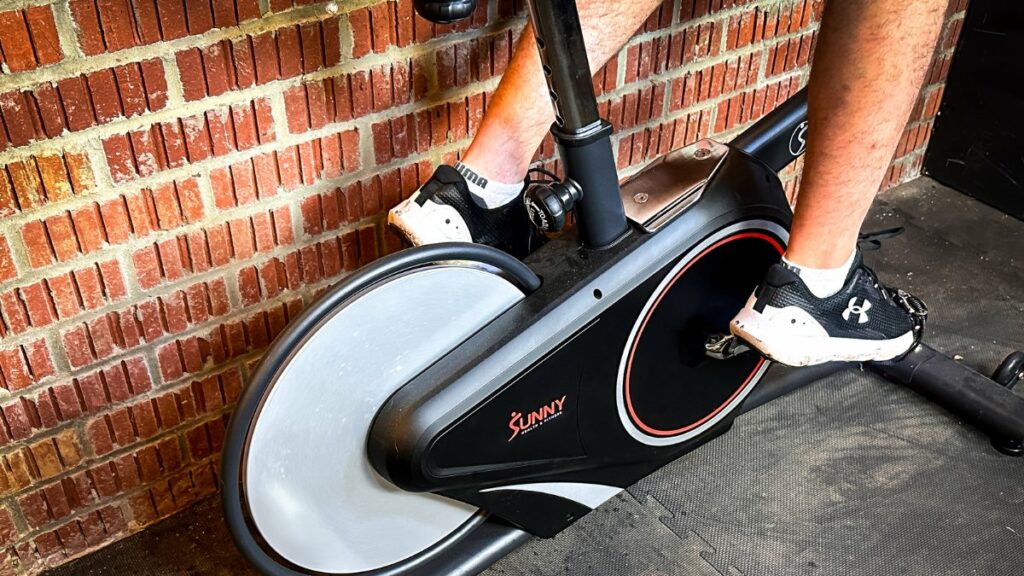
Just like with any new training stimulus, it does take time for you to start building your endurance. If you are new to cycling, start riding a few times weekly for 20-30 minutes per session. Your goal is to keep the same resistance and pace throughout the workout without taking a break. If twenty minutes is too long in the beginning, start with whatever works for you and build from there. Ideally, the workouts should be at least thirty minutes. If you have a solid endurance base, try increasing your resistance or exertion level for 5-7 minutes before returning to a lower resistance without taking a break.
Focus on Technique
Since your lower body creates one large kinetic chain, a great pedaling technique helps your body feel its best and perform.
What is the best pedaling technique?
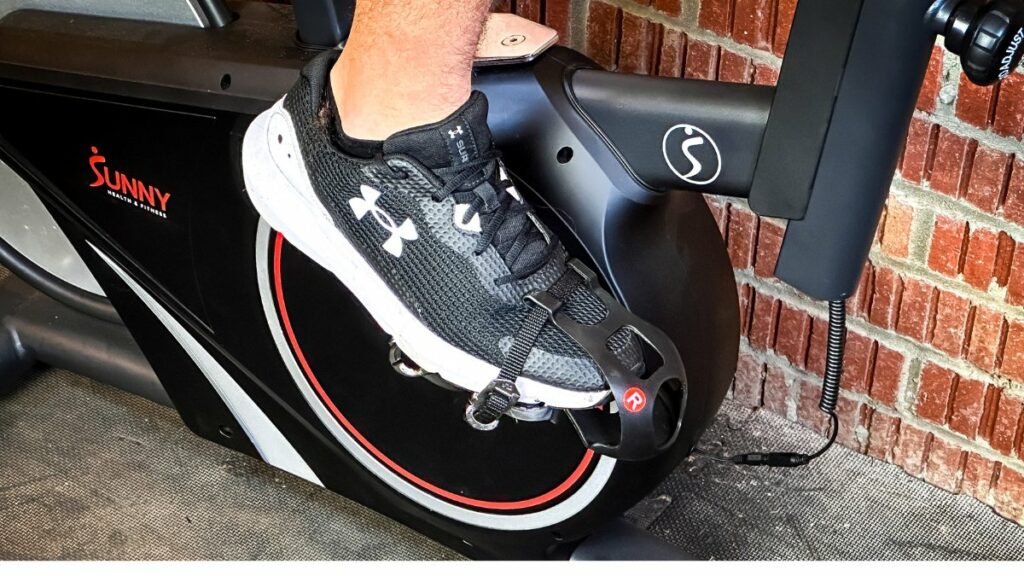
When looking at your pedaling technique, you will want to imagine that your feet are on a clock. The most power is generated between hours 2-4. Your pedal stroke should feel fluid from the front to the back. At the top of the pedal stroke, focus on dropping your heel to have your pedal parallel by the time it hits three, or even a little lower than parallel, as it enables more hamstring activation, which helps to extend the hip. When you reach six on the clock, start lifting your heel to help activate the calves. Your heel should be lifted until you reach 12 o’clock. In order to get your body into the correct pedaling position, your riding form plays a big role in maximizing your power output.
Don’t Sacrifice Resistance for Speed
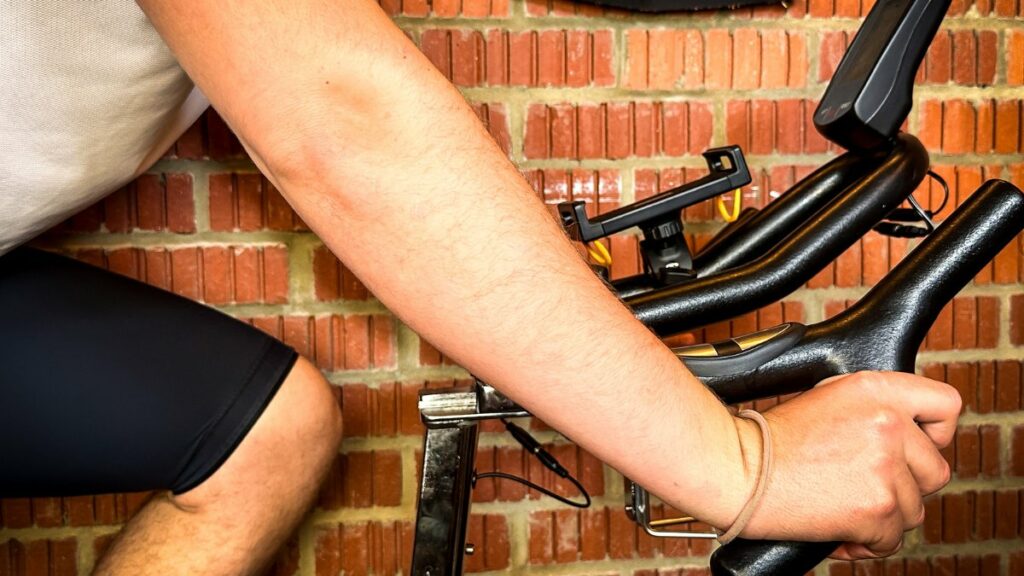
My students often ask me if they should focus on speed or resistance. My answer is always it is better to pedal harder with more resistance within the cadence range. For example, if I give my students the option to pick a cadence between 80-100, I will always have a select few that automatically ride at 100 with light resistance. Riding with more resistance between 80-90 will tax the body more than riding with light resistance at 100 RPMs. Your overall goal is to eventually be able to ride at a higher cadence WITH more resistance.
FAQ
Is it better to pedal faster or harder?
How do cyclists go so fast?
Bottom Line
The key to pedaling faster in class is continuing to improve your form, technique, and endurance.
Quick Answers
Do spin shoes help you pedal faster?
Yes. Cycling shoes attach directly to the pedals, allowing greater contact and the ability to generate more power. A recent study proved cycling shoes generate 10% more power while riding in the saddle. They last between 3,000 and 5,000 miles, and most spin studios are compatible with SPD cleats.
How do I build endurance to spin faster for longer?
Train in your aerobic zone so your body breaks down glucose with oxygen to sustain your effort. If you are new to cycling, ride a few times weekly for 20 to 30 minutes at a steady pace without breaks. If you have a solid endurance base, increase your resistance or exertion level for 5 to 7 minutes without resting.
What is the best pedaling technique for indoor cycling?
Imagine your feet on a clock. Most power is generated between 2 and 4. Drop your heel at the top so the pedal is parallel or lower by 3 to activate your hamstrings. At 6, lift your heel until 12 to engage your calves. Keep the stroke fluid from front to back.
How should my knees and feet be positioned on a spin bike?
Push through the ball of your foot on each stroke while keeping your foot flexed. Your knee must be positioned over the ball of your foot, with a slight bend at the bottom. If your knee tracks over your toe, adjust your saddle placement to prevent knee pain.
Is it better to focus on speed or resistance in spin class?
I always tell my students it is better to pedal harder with more resistance within the cadence range. Riding with heavier resistance between 80 and 90 RPM taxes your body more than riding at 100 RPM with light resistance. Pedaling harder at the start with more resistance creates greater inertia for a better cardiovascular workout.
