Here's the Gist
As a cycling instructor and the author of this article, I know firsthand how frustrating it can be when you struggle to find the rhythm in class. I put this guide together to clear up the confusion between cadence and music tempo while sharing straightforward ways to keep you on beat.
- Keep your cadence between 60 and 110 RPMs to reap maximum exercise benefits and avoid injury, often pedaling at half the music's BPM.
- Time your dominant foot at the bottom—or dominant knee at the top—on the downbeat while distributing resistance equally between both legs.
- Clip in with cycling shoes to stop your feet from wiggling in cages, increase power output, and reduce your risk of injury.
- Add sufficient resistance to prevent bouncing out of your saddle, which protects your knees and stabilizes your pedal stroke at higher cadences.
- Build aerobic endurance with steady-state cardio, holding a moderate pace and resistance for 10-15 minutes before progressing to longer efforts.
- Practice riding to rock or EDM songs with distinct tempos, and remember to relax your body instead of tensing up against the beat.
Have you taken a rhythm cycling class to be only left feeling like you have no rhythm? Simply apply our tips to staying on beat and master your next rhythm class like a pro.
The Difference Between BPM and RPM
It can be a little confusing if you are newer to cycle in general or taking a class that focuses more on the song’s rhythm. The BPM of a song is how many beats there are per minute. Cadence measures how many rotations per minute the wheel turns. While there may be times when the BPM and RPM of a song match, that is not always the case. The BPM will often be cut in half to find a safe cadence. Let’s be honest, no one wants or should be riding a 150 bpm.
How Fast Should the Music Be
Some studios today are pushing the rhythm of the music up to 120-140 beats per minute. That range is acceptable if the instructor asks you to find a cadence of 60-75 RPMs, but if they ask you to spin at 120-140 RPMs, you might want to find another studio. According to Schwinn and Spinning, your cadence range should stay between 60-110 to reap all the exercise benefits and decrease the chance of injury.
6 Ways to Stay on the Beat Easier
Watch Your Stroke
Staying on beat while riding can be challenging. One of the easiest ways to keep on the beat is to focus on your dominant leg being at the bottom of your pedal stroke on the downbeat. Make sure you are still sharing the resistance load equally between both legs, as it can be tempting to rely on your more dominant leg, especially if you are tracking the BPM with it. If you find that focusing on the downbeat is causing you to mash the pedals, don’t be afraid to focus instead of your dominant knee being at the top of the pedal stroke during the downbeat. Remember, you should feel the power generated throughout your pedal stroke in the front and back compared to up and down.
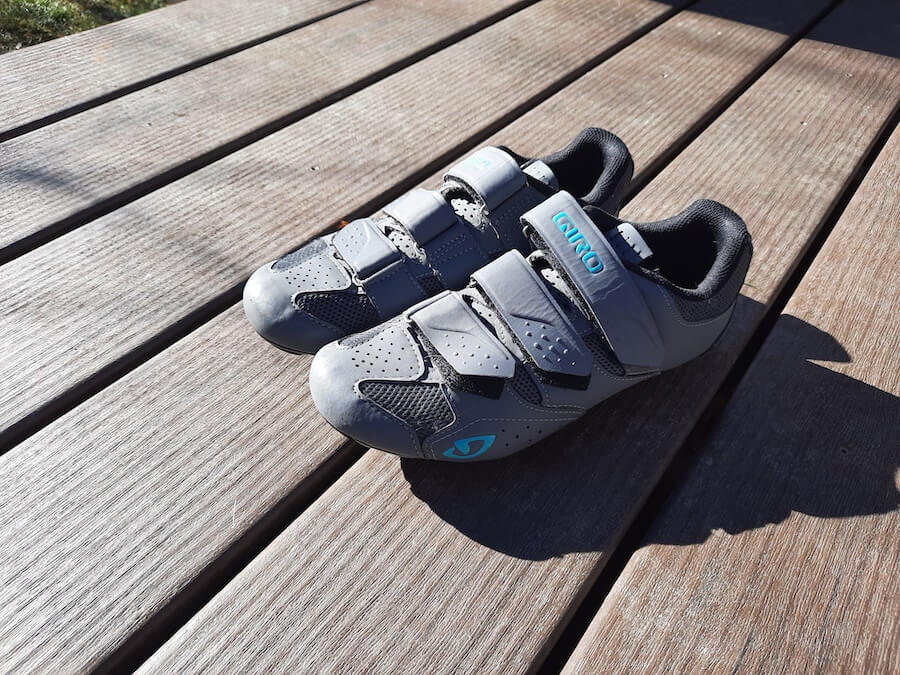
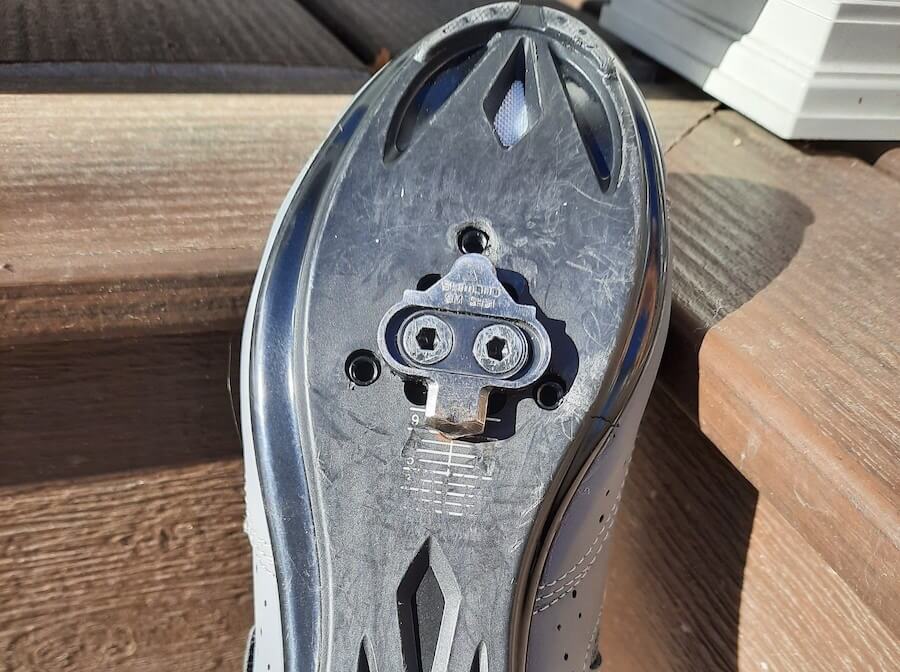
Wear Cycling Shoes
It is much simpler to stay on the beat when you are not worried about your feet wiggling inside the toe cages. Not only is staying on the beat easier, but you will also have a higher output and less chance of injury when riding in cycling shoes instead of typical outdoor shoes.
Pick the Right Resistance
Even when pedaling at 110 RPMs in the saddle, it is critical to have enough resistance on your bike. One of the biggest mistakes I see in my class is not having enough resistance when we get into those higher beat and cadence ranges. Not only will resistance help to even your pedal stroke so you can stay on beat, but it also protects your knees. One indicator that you do not have enough resistance is that your glutes cannot remain in contact with the seat, and it feels like you are riding on a bumpy road.
Build Your Endurance
You can benefit from building your endurance if you have difficulty keeping pace during a 3-4 minute song. Endurance training is when you train in the aerobic training zone (with oxygen) compared to anaerobic (without oxygen). Steady-state cardio will help to build your endurance. You can begin by trying to hold a lower pace and resistance level for 10-15 minutes and growing it from there as you become stronger.
Practice, Practice, Practice
While you might be thinking, why do I need to practice? It becomes easier to pick and match the beat the more you ride with music. When practicing staying on the beat, select songs you know with a strong beat. When I ask my class to ride to a specific BPM, I find that selecting a rock or EDM song with a distinct beat helps my students find the tempo I am asking for during that particular effort.
Feel the Music
One of the best components of a spin class is the awesome music. Don’t be afraid to feel the music and relax your body, as being too tense can make it harder to hold the pace.
Bottom Line
Spin class is supposed to be fun, remember? So don’t be too hard on yourself if you lose the beat of the music, try again, and before long, you will rock every rhythm class.
Quick Answers
What is the difference between BPM and RPM in spin class?
BPM measures the beats per minute in a song, while RPM measures cadence, or how many rotations the wheel turns per minute. They do not always match. Instructors often cut a song's BPM in half to establish a safe cadence, because nobody should be pedaling at 150 RPM.
What is the recommended cadence range for indoor cycling?
According to Schwinn and Spinning, you should keep your cadence between 60 and 110 RPMs. Pedaling within this range lets you reap all the workout benefits while reducing your risk of injury. If an instructor tells you to pedal between 120 and 140 RPMs, you might want to find a different studio.
How do I sync my pedal stroke with the beat?
Try focusing on your dominant leg reaching the bottom of your pedal stroke on the downbeat. If that makes you mash down, focus instead on your dominant knee hitting the top of the stroke on the beat. Just be sure to share the resistance load equally between both legs rather than favoring one.
How do I know if my bike does not have enough resistance?
The biggest indicator is when your glutes cannot stay in contact with the saddle and it feels like you are riding on a bumpy road. Adding proper resistance protects your knees and smooths your pedal stroke, which makes it far easier to stay on beat during faster efforts.
Do cycling shoes help you stay on beat during spin class?
Yes, wearing cycling shoes makes it much simpler to hold the rhythm. When your feet are clipped in instead of shifting around inside toe cages, you do not have to worry about your feet wiggling. You will also enjoy higher output and less chance of injury compared to standard outdoor sneakers.
