
Here's the Gist
As an avid indoor cyclist and the author of this guide, I want to help you quickly diagnose and resolve annoying magnetic bike issues. Here, I break down straightforward fixes for squeaks, magnet misalignment, and slipping belts to keep your machine riding smoothly.
- Invest in essential maintenance tools, including hex keys, pedal and socket sets, a Phillips screwdriver, and silicone lubricant.
- Eliminate squeaking noises by cleaning dirty components and applying silicone lubricant to pedals or crank arms rather than WD-40.
- Test your resistance magnets with a metal tool to see if they need replacing, or tighten them back into their original position.
- Fix belt slipping by removing the pedal crank, belt guard, tension bolt, and flywheel to install a new belt.
- Stop clicking sounds or sensations immediately by tightening any loose screws and bolts on the pedals and crank arms.
- Perform routine maintenance by cleaning daily, tightening hardware weekly, and lubricating movable parts like seat posts every month.
Nothing can hamper your motivation to crush a ride, quite like clicking into your bike and finding out that you have an issue. So let’s look at the most common problems you might encounter with a magnetic resistance bike and how to fix them quickly to have you riding in no time.
Tools Needed
When you purchase an indoor cycling bike, it is essential to invest in the tools needed to maintain your equipment. We recommend the following items:
- Hex Key Set
- Pedal Socket
- Spanner Set
- Socket Set
- Phillips Screwdriver
- Silicone Lubricant
Potential Magnetic Resistance Bike Issues
Squeaking Noise
If your indoor cycling bike is making a squeaking noise while riding, you will need to try to pinpoint where the sound is coming from before you can fix it. Squeaking noises can come from many different problems, including issues with the belt drive or even preventable rust build-up. However, it is very common that a squeaking noise can be fixed by cleaning the bike component that has the issue before adding lubrication. Often the pedals or crank arms need a little lubrication. We recommend using a silicone lubricant, compared to more abrasive options such as WD-40.
Magnet Issues
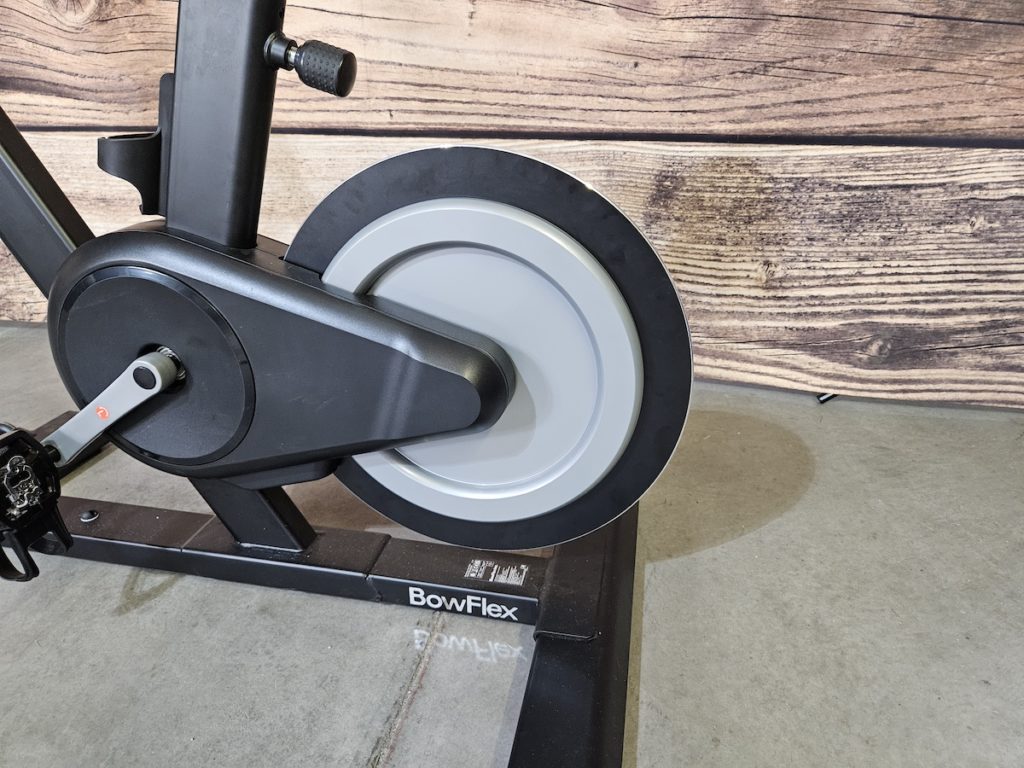
Two issues that can occur with magnetic resistance bikes are that the magnets need to be replaced or repositioned. This is because magnets play a pivotal role in magnetic resistance. They are responsible for increasing or decreasing the workload based on moving closer or farther away from the metal flywheel.
To assess the magnets, you will need to access the flywheel.
- Step 1: Remove the pedals
- Step 2: Remove the flywheel shield
- Step 3: Begin your assessment of the magnets
A simple way to determine if a magnet needs to be replaced is to test it. Place one of your metal tools close to the magnet. What do you feel? If you can feel the magnetic field, you know that the magnet is functioning fine. However, the magnet probably needs to be replaced if you do not feel anything.
Magnets can also move from their original positioning, which affects their ability to adjust the resistance appropriately. You can tighten them back into position along with any other nuts and bolts while you have the flywheel shield off.
Belt Slipping
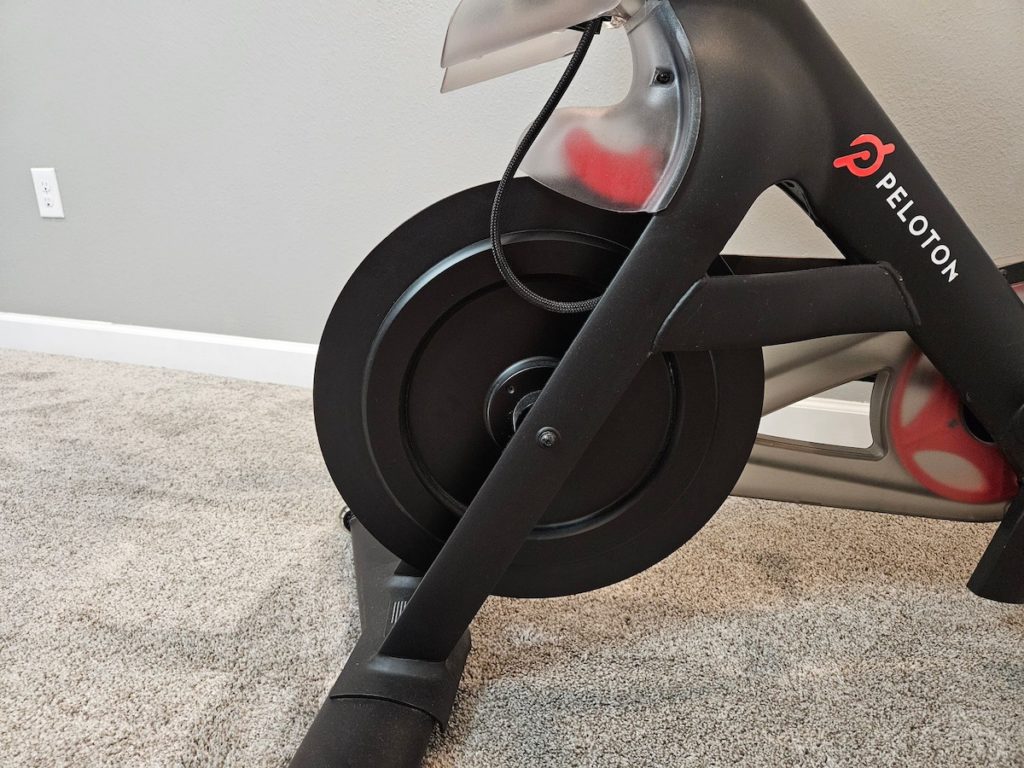
Over time the belt will need replacing as it will eventually stretch out and begin to slip. Replacing a belt can be tricky, so it is essential always to reference your bike’s manual and follow the proper steps as each cycle is a little different. However, if you attempt to change the belt on your own, here are a few general tips.
You will need to remove the pedal crank before accessing the belt guard to access the belt. After the belt guard has been removed, the belt tension bolt will need to be removed so that the strap can be detached. The flywheel will also need to be removed to slip the belt off of the bike. After removing the old belt, replace it with the new belt and follow the steps in reverse.
However, if you decide that you would like help from the experts, you can always call a technician to help make the change.
Clicking Noise
A clicking noise or feeling often is caused by loose screws or bolts located on the pedals or crank arms. The noise or clicking feeling should go away after everything is tightened.
The Importance of Regular Maintenance
Many bike issues are preventable with regular bike maintenance. Bike maintenance should be preventative and not performed only after a problem has begun. However, to keep your bike feeling new, you will need to perform some maintenance every time you ride. Below is a small list of maintenance tasks we recommend.
Daily Tasks
- Clean your bike after every ride
- Reduce resistance back to zero
Weekly Tasks
- Tighten bolts and screws
- Tighten crank arms and pedals
Monthly Tasks
- Apply lubricant to any squeaking components
- Lubricate moveable components such as handlebar and seat posts
Visit our How to Maintain Your Indoor Cycle: A Practical, Step-by-Step Guide article for more maintenance suggestions.
FAQ
Are Magnetic Spin Bikes Better?
It all depends on what type of ride you want and your price point. Bikes that include a friction resistance system feel closer to riding a bike outside as the increase or decrease of resistance is smooth.
They are also a little louder than a magnetic bike. Magnetic cycles delay adding or reducing resistance from when you turn the knob. These bikes tend to require less maintenance but cost a little more.
Are Magnetic Bikes Quiet?
Yes, magnetic bikes are quiet because the magnets do not contact the flywheel making the ride almost silent.
Is a Heavier Flywheel Better on a Spin Bike?
A heavier flywheel allows for a smoother ride as the inertia created by the turning flywheel keeps an even pedal stroke. Therefore, strive for a flywheel with a weight close to forty pounds. You can find more info about the flywheel weight in our detailed guide.
The Bottom Line
We recommend that you always look at your bike’s specific manual when making repairs. If you do not feel confident trying to fix your bike on your own, we recommend hiring a professional. This can mean bringing your bike to a professional at a shop or hiring a technician to make a house call. Also, remember that you can drastically reduce potential problems with regular maintenance to keep your indoor cycle at its best. Happy riding.
Quick Answers
Why is my magnetic exercise bike squeaking?
Squeaking can stem from belt drive issues, rust build-up, or parts needing lubrication. You can often fix it by cleaning the affected component, like the pedals or crank arms, and applying a silicone lubricant. We recommend avoiding more abrasive options like WD-40.
How do I know if my exercise bike magnets need to be replaced?
To test your magnets, remove the pedals and flywheel shield to access the flywheel. Then, hold a metal tool close to the magnet. If you feel the magnetic field, it is working fine. If you do not feel anything, the magnet probably needs to be replaced.
Why is my exercise bike making a clicking noise?
A clicking noise or feeling is often caused by loose screws or bolts located on the pedals or crank arms. Once you tighten everything securely, the clicking noise or feeling should go away.
How do I replace a slipping belt on an exercise bike?
Remove the pedal crank, belt guard, belt tension bolt, and flywheel to slip the stretched belt off. Install the new belt and follow the steps in reverse. Because cycles vary, always reference your manual, or call a technician if you want expert help.
What regular maintenance does an indoor cycling bike require?
For daily maintenance, clean your bike after each ride and turn resistance back to zero. Weekly, tighten the bolts, screws, crank arms, and pedals. Monthly, apply lubricant to squeaking parts and moveable components like the seat and handlebar posts.
